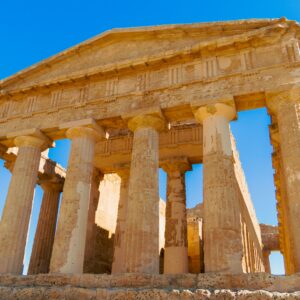
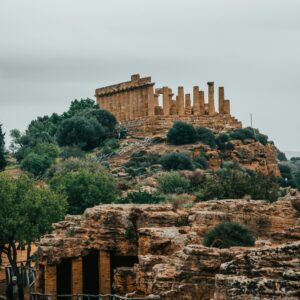
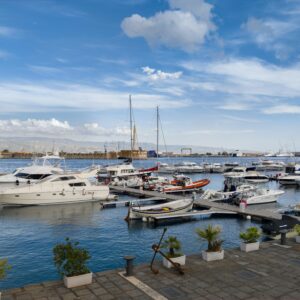
Across the sun-soaked island of Sicily, perched on hills, cliffs, and coastlines, lie some of the world’s most magnificent ancient Greek theaters. These open-air masterpieces are not just architectural triumphs but enduring symbols of the island’s historical and cultural significance. Thousands of years since they were built, these theaters continue to captivate visitors with their awe-inspiring beauty, ingenious design, and the stories etched into their very stones.
From the enchanting Teatro Antico in Taormina to the monumental Teatro Greco in Syracuse and the tranquil theater of Segesta, Sicily’s ancient Greek theaters offer an unparalleled glimpse into the past. They are living testaments to the artistry, engineering, and cultural sophistication of the ancient Greeks, highlighting their ability to merge function with aesthetic brilliance.
Beyond mere structure, these theaters stand proudly as cultural hubs where history intersects with the arts. Whether hosting ancient tragedies, modern dramas, or music festivals, their purpose remains timeless. Join us as we step into the world of Sicily’s ancient Greek theaters, exploring their historical significance, architectural genius, and the magic they still radiate.
A Glimpse into the Past
The story of Sicily’s Greek theaters begins in the 5th century BCE, during a time when the island was at the crossroads of Mediterranean civilizations. Greek settlers established colonies in Sicily, such as Naxos, Syracuse, and Selinunte, bringing with them their language, religion, and, significantly, their art and theater traditions.
Theaters held a central role in ancient Greek society, serving as communal spaces where citizens gathered to witness performances that blended entertainment with philosophical, political, and moral themes. Tragedies by playwrights like Sophocles, Aeschylus, and Euripides were staged alongside comedies and celebratory spectacles. These performances were not just artistic events but integral parts of civic and religious life, often tied to festivals in honor of Dionysus, the god of wine, revelry, and theater.
For the ancient Greeks, theaters were more than performance venues; they were sacred spaces that reflected humanity’s relationship with the divine and the natural world. Their careful placement within the landscape allowed them to harmonize with the environment, making the experience of attending a performance as much about communion with nature as with art.
Teatro Antico di Taormina
Perched high on a hill with sweeping views of Mount Etna and the Ionian Sea, the Teatro Antico di Taormina is undoubtedly one of the most breathtaking Greek theaters. Built in the 3rd century BCE, it was initially crafted for classical Greek plays before the Romans later modified it for gladiatorial contests.
Architectural Brilliance
What makes the Taormina theater exceptional is its placement within the natural scenery. Constructed using local stone, the semi-circular cavea (seating area) is carved into the hillside, seamlessly blending with its surroundings. The design exemplifies the Greeks’ mastery of harmonizing architecture with the environment, framing views of the shimmering sea and the looming silhouette of Mount Etna in the distance.
The stage building, or skene, and the orchestra were ingeniously designed to enhance acoustics, allowing performers’ voices to carry effortlessly to the furthest rows. To this day, its acoustics remain superb, a testament to the engineering prowess of its architects.
A Theater for All Eras
While the original structure catered to Greek dramas and ceremonies, Roman adaptations introduced elements for hosting grand spectacles, making it a multi-purpose venue. Today, the Teatro Antico continues to be a cultural hub, hosting concerts, film screenings, and performances during events like the Taormina Film Festival. As the sun sets and casts golden hues over the theater, modern audiences experience the same awe that captivated ancient spectators.
Teatro Greco di Siracusa (Syracuse)
Syracuse, one of the most powerful ancient Greek cities, boasts the Teatro Greco, one of the largest and most significant theaters of antiquity. Built in the 5th century BCE and later expanded, this grand theater served as a focal point for civic and cultural life in the city.
Historical Importance
The Teatro Greco in Syracuse was not merely a place for performances; it was also a political and social forum. The works of Aeschylus were debuted here, including the renowned tragedy The Persians, blending the arts with the politics and struggles of the time. This theater served as a platform for dialogue, reflection, and the forging of collective identity among the citizens.
Architectural Magnificence
Like Taormina, the Syracuse theater is carved into the natural rock of a hillside, overlooking the lush greenery of the Neapolis Archaeological Park and the blue waters beyond. The semi-circular rows of seats are arranged in a fan-like fashion, ensuring optimal viewing and acoustics for its 15,000 spectators.
One unique feature is the diazoma, a horizontal walkway dividing the seating into tiers. This design reflects the Greek attention to detail in providing both accessibility and aesthetic balance. The surrounding landscape adds to the grandeur, creating a fusion of nature and architecture that feels almost spiritual.
Cultural Revival
Each summer, the Teatro Greco comes alive during the Festival of Classical Plays, where modern renditions of ancient Greek tragedies and comedies are staged. Watching a performance in the same venue that premiered Aeschylus’s works is a profound experience that connects the endurance of art with the timelessness of humanity.
The Theater at Segesta
Nestled amid the rugged hills of northwestern Sicily, the ancient theater of Segesta offers a tranquil yet awe-inspiring escape. Built in the 3rd century BCE by the Elymians, Segesta’s theater is smaller and less grandiose than its counterparts in Taormina and Syracuse, yet it possesses a unique charm.
An Intimate Setting
Unlike other theaters, Segesta’s sits in a remote and serene environment far removed from bustling cities. With the rolling hills as its backdrop, and views stretching to the Gulf of Castellammare, the theater embodies the Greeks’ intrinsic relationship with nature.
The seating area, carved into the hills, accommodates around 4,000 spectators. Its modest scale does not detract from its impact; rather, it enhances the intimacy and immediacy of the performances it once hosted.
Echoes of the Past
While historians continue to piece together the theater’s full history, its design and location suggest it played an integral role in community rituals and cultural life. Today, visitors can marvel at the site’s simplicity and tranquility while enjoying summer theater productions and music performances under the vast Sicilian skies.
The Lifeblood of Cultural Heritage
Sicily’s ancient theaters are not just relics of the past; they remain vibrant participants in the island’s cultural identity. Their enduring appeal lies in their ability to merge history with the present, providing a platform where ancient traditions meet contemporary performances.
Timeless Acoustics and Design
One of the most remarkable aspects of these theaters is how they continue to function without the need for modern enhancements such as microphones or amplification. Performers and audiences alike are astonished by how even a whisper spoken from the stage reaches the uppermost tiers, as if guided by an invisible hand. This acoustic brilliance serves as a reminder of how advanced ancient technology was in marrying form and function.
Venues for Renewal
These theaters are revitalized each year by festivals, concerts, and events, drawing thousands of visitors who come for both the artistry and the experience of standing on hallowed grounds. Even in modern performances, one cannot escape the echoes of the past, as though the laughter and applause of bygone audiences still linger in the air.
Visiting Sicily’s Ancient Theaters
Exploring Sicily’s ancient Greek theaters is a journey through time, nature, and culture. While each theater offers its own unique experience, here are some tips for making the most of your visit:
- Timing: Aim to visit early in the morning or late afternoon to avoid crowds and enjoy the theaters in the soft glow of sunrise or sunset. Summer evenings often feature special performances under the stars.
- Guided Tours: Enhance your experience with a guided tour that provides historical context and insights into the architectural features.
- Comfortable Attire: Wear sturdy shoes for walking uneven ground and bring water, sunscreen, and a hat if you visit in the summer.
- Immerse Yourself: Attend a performance to fully appreciate the theaters’ original purpose and the resonance they bring to the arts.
Final Thoughts
Sicily’s ancient Greek theaters encapsulate the essence of human achievement, blending art, architecture, and nature into creations that withstand the test of time. They are not just monuments to the past but bridges to the present, inviting us to reflect on the enduring power of storytelling and the shared human desire for expression and connection.