When you think of Sicily, what comes to mind? Perhaps its sun-soaked shores, rich cuisine, or dramatic landscapes. But tucked away in its cultural treasure chest lies a lesser-known gem that has captivated locals and visitors for centuries: the Traditional Sicilian Puppet Theater, also known as Opera dei Pupi. This enchanting art form combines intricate craftsmanship, vibrant storytelling, and time-honored traditions, weaving tales of bravery, love, and chivalry that continue to resonate with audiences of all ages.
Whether you’re a family searching for an entertaining slice of history or an enthusiast keen on exploring local traditions, the Sicilian puppet theater offers an immersive cultural experience like no other. From its storied origins in medieval Europe to the intimate charm of private performances, Opera dei Pupi is a doorway to Sicily’s heart, soul, and heritage.
The Origins of Sicilian Puppet Theater
The roots of Sicilian puppet theater date back to the medieval period, roughly between the 12th and 15th centuries. The earliest forms of marionette theater likely originated in France and Spain, where traveling performers used wooden puppets to bring stories of knights, saints, and epic battles to life. Over time, this tradition spread to southern Italy, where it took on a uniquely Sicilian identity.
By the 19th century, Opera dei Pupi had flourished into one of the island’s most beloved art forms. Inspired by Orlando Furioso (a Renaissance epic by Ludovico Ariosto) and medieval chansons de geste (songs of heroic deeds), Sicilian puppeteers, known as pupari, created elaborate productions that reflected the values of their time. Themes of chivalry, honor, and moral righteousness played out through the gallant deeds of knights, the cunning of villains, and the occasional interventions of enchanting queens.
The performances also served as a means of education and entertainment for the working class. At a time when literacy was limited, puppet theater acted as an accessible way to relay local lore, current events, and even moral lessons. It brought communities together in lively, interactive settings, solidifying its position as a pillar of Sicilian culture.
The Craftsmanship Behind the Magic
One of the most mesmerizing aspects of Sicilian puppet theater lies in the craftsmanship of the puppets themselves. These aren’t your average marionettes. Historically, Sicilian puppets were meticulously handcrafted from a combination of wood, metal, and fabric. Today, artisans still dedicate weeks, sometimes months, to creating each piece, investing profound artistry into their work.
1. Intricate Detailing
Each puppet, or pupu, is a masterpiece of craftsmanship. Standing anywhere from 80 centimeters to over a meter tall, these hefty figures are designed with precision to reflect their characters’ personalities. Knights are adorned in elaborate armor made of hammered brass or tin, intricately engraved with motifs symbolizing their valor. Queens and maidens wear flowing garments stitched with vibrant textiles, while villains often sport menacing looks with grotesque masks and dark cloaks.
2. Articulated Movements
The craftsmanship of Sicilian puppets isn’t purely aesthetic; it’s functional, too. Their articulated joints allow for dynamic and lifelike movements during performances. Swords can be swung, shields raised, and heads bowed with surprising realism, all controlled by the steady hands of the pupari manipulating wires from above.
3. Intergenerational Knowledge
Many puppeteers descend from long lines of artisans, with skills and techniques passed down through generations. This not only preserves the craft but imbues every puppet with a sense of legacy and authenticity. Families like the Mancuso, Cuticchio, and Pasqualino dynasties have been pillars of the opera for decades, ensuring its continuity even in the face of changing times.
The Art of Storytelling through Opera dei Pupi
While the puppets’ intricate design enchants the eyes, the true magic of Sicilian puppet theater unfolds through the art of storytelling. Opera dei Pupi performances typically revolve around epic tales of knights, battles, and legendary romances. These narratives, though rooted in medieval lore, are imbued with timeless themes that resonate deeply with audiences of all generations.
1. Themes of Chivalry and Honor
Sicilian puppet theater draws heavily from the Carolingian cycle of medieval literature, particularly the tales of Charlemagne and his paladins. Characters like Orlando, Rinaldo, and Angelica feature prominently, embodying the ideals of chivalry, loyalty, and sacrifice. These virtues formed the moral backbone of Sicily’s agrarian and honor-based society, making them relatable to audiences in the 19th and 20th centuries.
2. Historical Contexts with a Local Twist
Beyond medieval epics, the performances often referenced historical events or featured elements of Sicilian folklore. Stories were adapted to incorporate local dialects, customs, and humor, ensuring they resonated with the island’s diverse communities. Villains were sometimes modeled after historical oppressors, such as foreign invaders or corrupt leaders, casting the knightly heroes in the role of saviors defending Sicily’s honor.
3. A Multisensory Spectacle
Opera dei Pupi is far more than a series of static scenes. The performances combine dramatic storytelling with striking visuals, evocative music, and spirited interactions between puppets and narrators. The “cantastori” (storytellers) narrate in sing-song voices that range from whisper-soft to thunderous, emphasizing key moments with crescendos and pauses. Meanwhile, the clatter of puppet swords and the clash of shields add tangible excitement to battle scenes.
Private Performances for Families and Enthusiasts
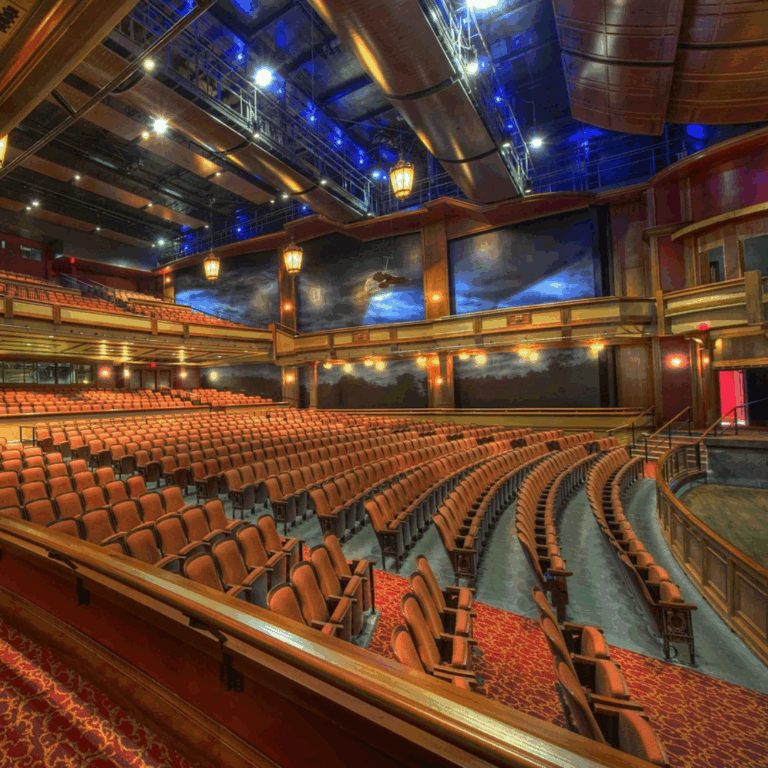
Over the years, Sicilian puppet theater has adapted to modern contexts to remain relevant and accessible. While traditional performances continue to run in historic theaters, private shows are an increasingly popular option for travelers, families, and cultural enthusiasts who want a more tailored experience.
1. An Intimate Look at a Timeless Art Form
Private puppet shows allow audiences to enjoy Sicilian puppet theater in its most intimate setting. Held in small, picturesque venues or even in the workshops of master puppeteers, these performances evoke the charm of a bygone era. Without the distractions of large crowds, viewers can focus fully on the puppets’ artistry and the richness of the storytelling.
2. Tailored Narratives
Since private shows often cater to families or smaller groups, the stories can be customized to suit the audience. For children, scripts may be light-hearted and humorous, focusing on themes of good triumphing over evil. For enthusiasts, performances might showcase rare or historic tales with added context from the puppeteer about their cultural significance.
3. Interaction with Masters
One of the most rewarding aspects of a private performance is the opportunity to interact directly with the puppeteers. After the show, visitors can engage in Q&A sessions, learning more about what inspired their craft, the materials used, and the secrets behind the lifelike movements of their creations. Watching a master puppeteer at work, controlling multiple strings with precision and artistry, is a mesmerizing and humbling experience.
Workshops for Aspiring Artists and Storytellers
For those inspired to explore the world of Sicilian puppet theater further, immersive workshops provide a hands-on way to connect with this tradition. Offered by select theaters and artisans, these sessions cater to all skill levels and age groups, making them perfect for families or individuals eager to learn.
1. Build Your Own Puppet
Participants can try their hand at crafting their own mini versions of Sicilian puppets. Guided by patient craftsmen, you’ll learn the basics of designing and assembling a wooden puppet, from carving and sanding to painting and dressing the final figure. At the end of the workshop, you’ll have a one-of-a-kind keepsake to take home as a lasting memory of your experience.
2. Mastering the Strings
Whether for fun or as a deeper exploration of performance art, workshops often include a segment on how to operate the puppets. Under the guidance of pupari, attendees practice holding the control bar, manipulating basic gestures, and even staging a short scene. It’s a challenging but immensely rewarding process that deepens your appreciation for the skill of the professionals.
3. Storytelling Sessions
For budding narrators or cultural enthusiasts, storytelling workshops offer an in-depth look at how to craft compelling narratives. Learn the techniques behind the cantastori’s evocative voice changes, the pacing of a tale, and how to connect with an audience. These skills aren’t just fun to practice but can also translate to other forms of public speaking and performance.
Preserving the Legacy of Opera dei Pupi
Opera dei Pupi was inscribed on UNESCO’s Intangible Cultural Heritage of Humanity list in 2008, a testament to its enduring value and the importance of preserving it for future generations. Efforts to sustain this tradition are visible across Sicily, from festivals and museum exhibitions to collaborations with modern artists who bring contemporary touches to the craft.
1. Puppet Museums
Places like the International Museum of Marionettes Antonio Pasqualino in Palermo offer a comprehensive look at the history and global influence of puppet theater. Visitors can admire extensive collections of puppets and stage props while exploring educational exhibits on cultural themes tied to the art form.
2. Contemporary Innovations
While sticking to tradition is a hallmark of Opera dei Pupi, younger generations of artisans are also experimenting with modern elements. These include integrating new storylines, collaborating with visual and graphic artists, or incorporating multimedia technology into performances. Such innovations ensure that the art form stays alive and relevant in today’s rapidly changing world.
A Timeless Experience
Whether you’re a family seeking enchantment or an art lover fascinated by cultural heritage, exploring Sicilian puppet theater is a deeply enriching experience. Through its intricate craftsmanship, powerful storytelling, and cultural depth, Opera dei Pupi offers a gateway into Sicily’s soul, bridging the gap between past and present.