Sicily, an island nestled at the heart of the Mediterranean, has been a coveted jewel for empires and civilizations over millennia. Its strategic position ensured it would become a vital crossroads for trade, but it also rendered it a battleground for endless conquests. From ancient Greeks and Romans to Normans, Arabs, and Spaniards, Sicily’s history is a mosaic crafted from the ambitions of empires. Perhaps the most enduring witnesses to this turbulent history are the island’s castles and fortresses.
Sicilian castles are more than just stone walls and towering ramparts; they are storytellers that whisper tales of medieval battles, dynastic rule, and cultural fusion. Whether perched on mountaintops or guarding coastlines, these architectural marvels reflect both Sicily’s strategic importance and its diverse cultural past. This article takes you on a journey through Sicily’s most iconic fortresses, such as Erice Castle, Maniace Castle in Syracuse, and the enigmatic Castello di Venere. Along the way, we’ll uncover the historical significance and intricate architectural evolution of these structures.
Sicily’s Castles: From Defense to Grandeur
Before we explore individual sites, it’s important to understand the role that castles and fortresses played in Sicily’s history. Unlike the fortified villas of northern Europe that were often built as isolated symbols of feudal authority, Sicilian castles were deeply entwined with the island’s geography and politics. Many served dual purposes as military fortifications and administrative hubs, protecting ports, trade routes, and fertile lands.
However, these structures were more than pragmatic necessities. They became symbols of power and innovation, with each ruling power—from the Byzantines to the Normans and beyond—leaving its mark on their design. Byzantine rulers emphasized solid, functional designs. When Arab rulers arrived, they added a sense of elegance and intricacy, blending beauty with practicality. The Normans took castle-building to a new level, introducing their signature Romanesque style, which later evolved under the influence of Gothic and Renaissance sensibilities.
The diverse influences in Sicilian castle design make these sites living chronicles of the island’s history. Now, let’s explore some of the most captivating examples of this legacy.
Erice Castle: The Fortress in the Sky
A Mythical Origin
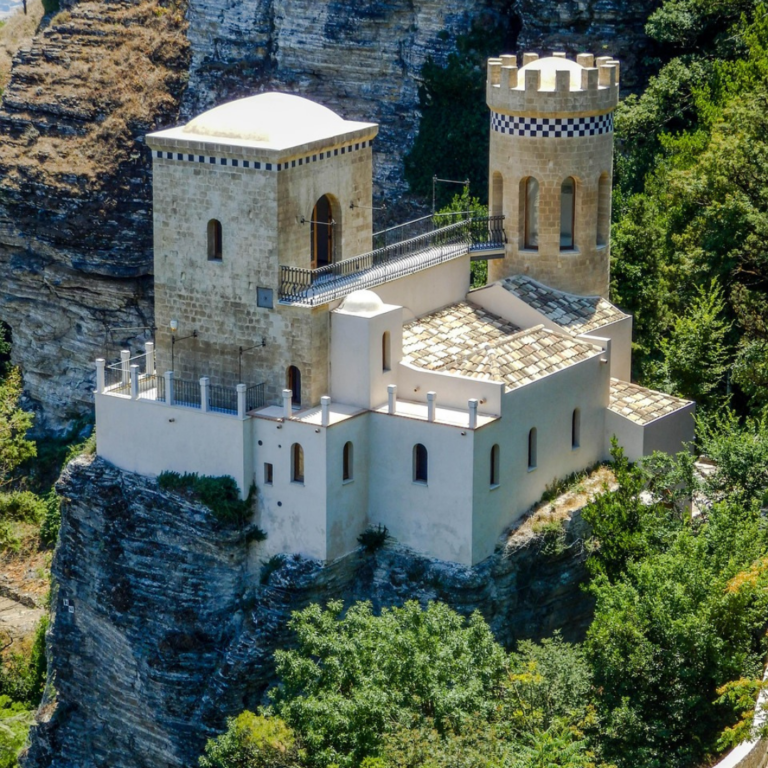
High atop Mount Erice, 750 meters above sea level, lies the enchanting Erice Castle, also known as the Castle of Venus (Castello di Venere). Built on the ruins of a temple dedicated to Venus, this fortress boasts a mythical past. According to ancient lore, the nearby sanctuary was dedicated to Venus Erycina, the goddess of fertility and love. It was believed to attract sailors and traders from across the Mediterranean, who sought the goddess’s favor before setting sail.
When the Normans arrived in Sicily in the 12th century, they constructed a majestic stronghold on the ruins of the ancient temple. The Norman Erice Castle retained its predecessor’s air of mystique, combining religious allure with military function.
Architectural Splendor
Erice Castle is framed by dramatic cliffs, offering sweeping views of the Tyrrhenian Sea and the surrounding countryside. Its structure reflects typical Norman innovations, with thick stone walls and defensive towers. Inside the castle grounds, you’ll find remnants of the ancient temple, including broken columns, blending pagan heritage with medieval construction.
One of the castle’s most fascinating features is its baluardi, or defensive bastions. These fortifications, situated along the outer walls, allowed defenders to repel invaders while enjoying an unobstructed vantage point of the countryside below.
A Legacy of Defiance
Erice Castle has withstood sieges, earthquakes, and centuries of erosion. Today, it is a favorite destination for visitors eager to explore its ruins and stroll through the atmospheric medieval streets of the nearby town of Erice. The views alone are worth the trip, particularly at sunset when the cliffs and sea shimmer in golden hues.
Maniace Castle, Syracuse
A Coastal Guardian
Prominently located at the tip of Ortigia, where the Ionian Sea kisses the Syracusan coast, stands Maniace Castle (Castello Maniace). This fortress is named after the Byzantine general George Maniaces, who recaptured Syracuse from Arab forces in the 11th century. Although its initial construction dates back to this era, the Maniace Castle we see today owes much of its form to later contributions by the Normans and Frederick II of Swabia.
The Swabian Influence
Under the rule of Frederick II in the 13th century, Maniace Castle underwent a significant transformation. Frederick, known for his obsession with creating imposing symbols of authority, used innovative medieval design principles to fortify the castle further.
The central structure is a robust quadrangular fort with cylindrical towers at each corner, reinforcing the castle’s defensive strength. Its purpose was twofold: to protect the city of Syracuse from naval attacks and to act as a royal residence when Frederick II visited the island.
The castle’s interiors reflect Frederick II’s affinity for blending practicality with artistry. The highlight is the grand entrance hall, supported by elegant columns and vaulted ceilings.
The Castle’s Modern Role
Over the centuries, Maniace Castle served a variety of roles, ranging from a military fort to a prison. Today, it is one of Syracuse’s most significant cultural monuments. Visitors can step inside to explore its thick stone corridors and walk along its ramparts, which offer stunning views of the sea and Ortigia’s historic harbor.
Castello di Venere, Erice
An Ancient Stronghold
Sharing its name and mythical associations with Erice Castle, Castello di Venere is another mountaintop wonder located in western Sicily. Though smaller in size than other Sicilian fortresses, Castello di Venere is equally rich in history and charm.
Perched above the town of Custonaci and surrounded by lush gardens, the fortress offers breathtaking views of the surrounding countryside. Its location near Sicily’s coast made it a strategic outpost for spotting potential invaders.
Layers of History
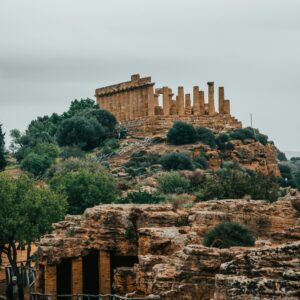
Castello di Venere reflects Sicily’s multi-layered history. Like its namesake in Erice, this site likely originated as a sanctuary dedicated to Venus. Later, the Normans reinforced the site with defensive walls and towers, transforming it into a military stronghold.
Today, Castello di Venere stands as a quiet reminder of Sicily’s enduring allure. With its romantic ruins enveloped by greenery, it offers visitors a chance to escape into history while enjoying the tranquility of the Sicilian landscape.
The Evolution of Sicilian Castles
The castles of Sicily are more than ancient landmarks; they are snapshots of the island’s evolution. Each layer of stone tells a story of war and resilience, culture and power. From the mystical allure of Erice Castle to the maritime vigilance of Maniace Castle, these fortresses highlight Sicily’s vibrant past.
But what sets Sicilian castles apart is their ability to adapt. Through centuries of conflict, rulers repeatedly reimagined these structures, adding new elements that spoke to their ambitions and sense of identity.
Sicily’s Castles Today
For modern travelers, Sicilian castles represent more than historical landmarks. They are gateways to the island’s soul. Explore the windswept hilltops of Erice, stand by the seaside ramparts of Maniace, or lose yourself in the hauntingly beautiful ruins of Castello di Venere. Each castle invites you to connect with the island’s past and appreciate its enduring spirit.
Are you ready to step back in time and discover the magic of Sicilian castles? The legends await.