Perched in the heart of the Mediterranean, Sicily is a land of ancient traditions, vibrant landscapes, and a heritage deeply rooted in winemaking. The island’s unique position, fertile lands, and the intermingling of a myriad of cultures have shaped its identity as one of the world’s most fascinating wine regions. From the sun-drenched coastline of Marsala to the rugged volcanic slopes of Mount Etna, Sicily’s wines tell a story of centuries-long artistry and innovation. This is a tale of how history and terroir come together to create liquid masterpieces.
A Journey Through Time and Vines
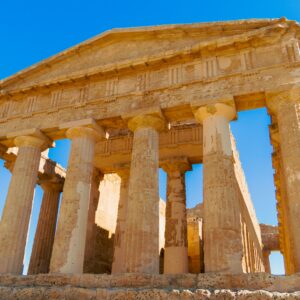
Sicily’s winemaking legacy stretches back thousands of years. The vine was introduced to the island by the Phoenicians around 1500 BCE, who recognized Sicily’s fertile soils as an ideal environment for viticulture. When the Greeks arrived in the 8th century BCE, they not only embraced the practice but elevated it with their expertise. Winemaking became a staple of Sicilian life, deeply interwoven with social and religious traditions. By the time the Romans took over, wines from Sicily were considered prestigious exports, sought after across the empire.
Ancient texts reference Sicilian wines as being bold, aromatic, and complex. The island’s natural environment played a significant role in their unique character. Over time, these ancient techniques and influences have left an indelible mark, culminating in wines that remain as distinctive as the land they hail from.
The Regions That Shape Sicilian Wines
Each wine region in Sicily boasts a distinct terroir, history, and legacy. From the arid coastal areas to the high-altitude vineyards on volcanic soils, the diversity of Sicily is reflected in its wines.
Marsala Wine and the West’s Shining Star
Marsala, Sicily’s most renowned wine, is a drink of history, innovation, and enduring appeal. The region, situated on the western coastline, is famed for producing this fortified wine. Marsala as we know it today was developed in the late 18th century when a British merchant, John Woodhouse, discovered local wines and decided to fortify them with brandy for preservation during transport. By doing so, Marsala was transformed into a stable, sweet wine that gained international fame.
Marsala comes in a variety of styles. The dry Marsala Vergine offers nutty, saline aromas that pair beautifully with savory dishes, while the sweet, amber-hued varieties are reminiscent of dried figs and caramel. The underlying essence of Marsala, however, lies in its roots – still connected to wine practices dating back to the Greeks and Romans.
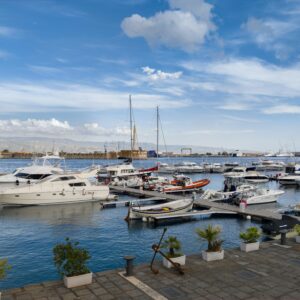
The landscapes of Marsala itself mirror the wine’s richness. Rolling hills of vines meet the shimmering sea, creating a postcard-perfect scene that feels as timeless as the wines crafted here.
Mount Etna’s Volcanic Treasures
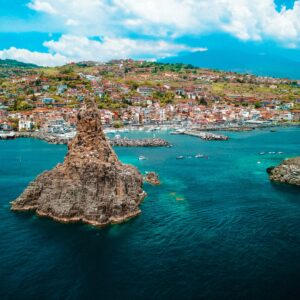
On the eastern side of Sicily rises Mount Etna, Europe’s most active volcano and a natural icon of the island. Surrounding Etna’s rugged landscape are vineyards planted in volcanic soil, creating what many wine experts consider one of the most exciting wine regions in the world.
Etna’s unique growing conditions are unmatched. The rich, mineral-dense volcanic soil lends itself to wines that can be both powerful and elegant. The stark temperature differences between day and night help grapes maintain acidity, while the altitude provides longer growing seasons. You’ll find indigenous grape varieties such as Nerello Mascalese and Nerello Cappuccio making bold statements here.
Etna Rosso, crafted predominantly from Nerello Mascalese, is an expressive red wine offering layers of cherry, wild herbs, and smoky undertones. Meanwhile, Etna Bianco, made from the indigenous Carricante grape, delivers crisp and mineral-driven whites that reflect the harsh beauty of its volcanic birthplace.
Etna wines echo both the raw power of the volcano and the delicate mastery of those who cultivate its slopes.
The Southern Plains and Sun-Drenched Nero d’Avola
No exploration of Sicilian wines would be complete without celebrating Nero d’Avola, the island’s flagship red grape. Grown primarily in the southern and southeastern parts of Sicily, Nero d’Avola thrives under the intense Mediterranean sun. Its full-bodied wines are robust, deeply colored, and bursting with flavors of ripe cherry, plum, and spices.
The arid terrain of the southern plains adds a noticeable depth and concentration to these wines, making them ideal companions for Sicilian cuisine. Whether you’re savoring a plate of arancini or a rich pasta alla Norma, a glass of Nero d’Avola is likely close by.
A Connection to Ancient Practices
One of the reasons Sicilian wine feels so connected to its history is the way modern winemakers blend ancient techniques with contemporary knowledge. Across the island, winemaking traditions passed down through generations meet innovative methods in a harmonious way.
Consider, for example, amphora aging. This ancient practice, inherited from the Greeks and Romans, has seen a resurgence in recent years. Winemakers like those on Mount Etna are aging wines in terra-cotta vessels buried underground, as their ancestors did, to enhance the purity and minerality of the finished product.
Additionally, dry farming, a method practiced for centuries, involves relying solely on natural rainfall rather than irrigation. This method respects the land’s limits while concentrating flavors in the grapes. Its resurgence is driven by a desire to return to sustainable, earth-friendly winemaking practices.
The Grapes That Define Sicily
Sicily is home to a treasure trove of native grape varieties, each with its own character and story. These include:
- Grillo: This white grape, often used in Marsala production, gives citrusy, refreshing whites with herbal undertones.
- Nerello Mascalese: Known as the “Nebbiolo of Sicily,” it produces reds that are aromatic and full of finesse.
- Carricante: Found on Etna, it’s a fascinating white grape that thrives in volcanic soils, offering fresh, zesty wines with a backbone of minerality.
- Catarratto: A versatile white grape also prominent in Marsala wine, with crisp, floral qualities.
- Nero d’Avola: A richly-fruited, powerful red grape varietal that continues to win hearts worldwide.
These native vines make Sicilian wines distinct and firmly rooted in the island’s soil and story.
Sicily Today: A Global Wine Powerhouse
Over the last few decades, Sicily has emerged as a global powerhouse in winemaking. Investments in viticulture, sustainable wine practices, and leaner experimentation have transformed the perception of Sicilian wines from rustic to regal. Wine estates across the island are now receiving acclaim on an international scale, drawing wine enthusiasts and sommeliers keen to explore the bold diversity Sicily offers.
Many wineries also offer immersive experiences to visitors. Picture walking among ancient vines, enjoying panoramic views of the sea or volcano, and then sipping wines paired with local dishes. From small family-run vineyards to renowned estates, these tastings capture the deep symbiosis between Sicilian culture and wine.
A Reflection of Sicily’s Soul
Sicilian wine is more than a beverage; it is a mirror of the island’s identity. These wines speak of survival and triumph, of fiery landscapes and lush valleys, of the amalgam of cultures that have shaped Sicily for millennia. To drink Sicilian wine is to drink in history, culture, and the essence of the Mediterranean.
Whether it’s the fortified elegance of Marsala, the mineral bite of Etna’s volcanic wines, or the sun-drenched abundance of Nero d’Avola, each bottle carries with it a rich legacy. Sicily’s winemaking story, ancient yet evolving, is a testament to the island’s enduring creativity and connection to the land.
Closing Thoughts
The wines of Sicily are a gift to the senses, an experience that blends flavor with history like few others. They remind us of the resilience of the human spirit and its ability to craft beauty from the earth. For those ready to uncork the stories of Sicily, there’s no better invitation than the island’s vibrant wines.