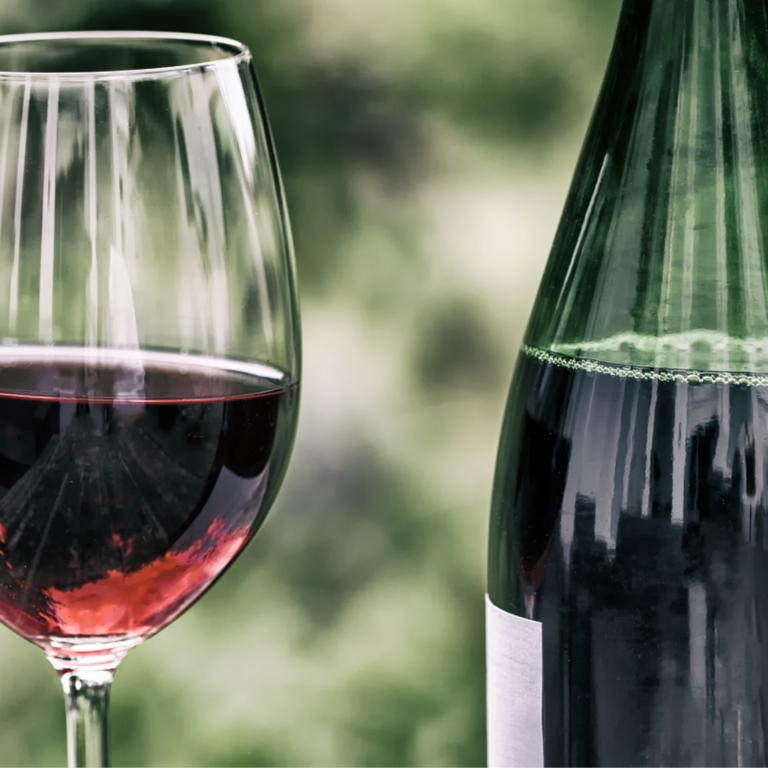
Marsala. The name conjures images of sun-soaked Sicilian shores, rolling vineyards, and golden-brown fortified wine swirled lovingly in glasses. But for many, Marsala’s renown has become restricted to its use as a cooking ingredient splashed into recipes like chicken marsala or tiramisu. While these culinary associations are valid, they tell only a small part of this wine’s remarkable story. Marsala, at its core, is a wine steeped in history, once celebrated as a drink of nobility and international acclaim.
Born on the western edge of Sicily, Marsala has evolved from a rural Sicilian secret to a household name. Yet in recent years, local winemakers and enthusiasts have been leading a quiet revolution, reclaiming Marsala not just as a cooking staple but as a refined beverage worthy of standalone appreciation. With its diverse styles, from dry and savory to rich and sweet, Marsala continues to offer surprises to wine lovers willing to explore its depth.
This comprehensive guide will take you deep into the heritage of Marsala wines, offering insights into its history, tasting profiles, modern expressions, pairing ideas, and tips for visiting some of the most iconic Marsala wineries. Raise a glass, and prepare to rediscover one of Sicily’s liquid treasures.
The Birth and Evolution of Marsala Wine
Marsala wine has roots that stretch back to ancient times. The Phoenicians, who were among the earliest settlers in Western Sicily, are believed to have experimented with fermenting and fortifying wine using their introduced grape varieties. Over centuries, Sicily became a melting pot of cultures, with the Greeks, Romans, Arabs, and Normans all leaving their mark on the region’s viticulture.
However, Marsala, as we know it today, owes much of its iconic status to one pivotal moment in the late 18th century. Enter John Woodhouse, an English trader who arrived in Sicily in 1773. Upon tasting the local fortified wines produced near the port of Marsala, Woodhouse was captivated by their complex flavor and aging potential. He recognized the similarities between these wines and the sherries and ports beloved in England.
He began fortifying the wines with brandy, which helped preserve their quality during long voyages. By blending innovation with Sicilian tradition, Woodhouse revealed Marsala wine to the international stage, where it quickly became a symbol of prestige and indulgence.
Over the 19th and early 20th centuries, Marsala flourished. Key Sicilian families, like the Florios and Pellegrinos, began producing high-quality Marsala wines in large quantities, cementing Sicily’s reputation as a leader in fortified winemaking. Yet Marsala’s popularity faced challenges in the mid-1900s. Mass production and overuse in everyday cooking diluted its reputation as a fine wine.
Today, modern winemakers are reclaiming Marsala’s heritage, blending ancient winemaking traditions with cutting-edge techniques to revive its prestige.
Understanding Marsala’s Diverse Profiles
Marsala is a fortified wine made using indigenous grapes like Grillo, Catarratto, and Inzolia. Once harvested, these grapes undergo a meticulous production process to achieve Marsala’s distinct character. The fortification involves adding distilled grape spirit or brandy, not only aiding longevity but also intensifying the flavor.
To truly appreciate Marsala, one must explore its classifications, which vary by sweetness level, color, and aging duration.
By Sweetness
- Dry (Secco): Contains less than 40 grams of residual sugar per liter. These Marsalas are crisp and savory, often enjoyed as aperitifs or accompaniments to robust main courses.
- Semi-Dry (Semisecco): Strikes a balance, with 40–100 grams of residual sugar per liter. These are versatile wines that pair well with savory and sweet dishes alike.
- Sweet (Dolce): With over 100 grams of residual sugar per liter, sweet Marsalas are luxurious and indulgent, perfect for dessert lovers.
By Color
- Oro (Golden): Delicate and luminous, these Marsalas are made from white grapes and aged to reveal warm, honeyed tones.
- Ambra (Amber): Crafted with the addition of grape must cooked to a caramel consistency, these wines possess rich layers of toffee, nuts, and dried fruits.
- Rubino (Ruby): Made from red grapes like Nero d’Avola or Perricone, Rubino Marsalas are bold and fruity, with a ruby-red glow.
By Aging
Marsala wines are aged in wooden casks, with the duration affecting quality and expression.
- Fine: Aged for at least one year; light and approachable.
- Superiore: Aged for at least two years; elegant and refined.
- Superiore Riserva: Aged for at least four years, showcasing depth and complexity.
- Vergine & Soleras: Aged for a minimum of five years using the soleras system, which blends wines of varying ages for a dynamic profile. Vergine (Virgin) Marsalas are always dry, offering unparalleled sophistication.
Modern Interpretations of Marsala Wine
While Marsala conjures images of tradition, today’s winemakers are pushing the boundaries of what it can be. Producers like Marco De Bartoli have embraced a minimalist, terroir-driven approach, crafting bone-dry, oxidative styles from Grillo grapes that defy expectations. Hallmarks of these wines include vibrant acidity, layers of citrus, and notes of roasted hazelnuts.
Additionally, an emphasis on organic and biodynamic practices has shaped a new era for Marsala. Wineries like Cantine Florio and Caruso & Minini balance artisan methods with state-of-the-art technology to create wines that feel both timeless and modern. Whether it’s exploring innovative Grillo varietals or redefining how Marsala pairs with food, these producers are bridging Marsala’s history with its exciting future.
Pairing Marsala with Food
Marsala not only dazzles on its own but also transforms meals into extraordinary dining experiences. Its unique flavor profile makes it an exceptionally versatile wine for pairings.
For Savory Dishes
- Dry Marsala with Roasts: Dry Marsala cuts through the richness of pork roasts or lamb shanks, adding a subtly nutty depth to the meal.
- Semi-Dry Marsala with Poultry: Think chicken Marsala, where the wine infuses sauces with savory complexity that enhances the natural flavors of the meat.
- Marsala with Aged Cheese: Both dry and amber Marsalas pair beautifully with tangy aged cheeses like Pecorino or Parmigiano-Reggiano, creating a harmony of salty and nutty notes.
For Desserts
- Sweet Marsala with Tiramisu: The quintessential pairing, sweet Marsala complements the creamy richness of mascarpone and the coffee-laden layers of tiramisu.
- Golden Marsala with Almond Cookies: Sicilian almond biscotti or marzipan cookies serve as exquisite companions to the wine’s warm, honeyed finish.
- Amber Marsala with Sicilian Cannoli: The wine’s caramel and dried fruit notes bring out the best in this beloved ricotta-filled pastry.
Experiment with Pairings
Marsala’s culinary potential extends far beyond the obvious. Try reducing it as a glaze for salmon, incorporating it into risottos, or pairing it with salted chocolate for an unconventional but heavenly match.
Visiting Marsala’s Iconic Wineries
A visit to the Marsala wine region is an unforgettable immersion into Sicilian culture and tradition. Here are a few must-visit wineries to experience the magic of Marsala up close.
Cantine Florio
One of Marsala’s oldest producers, Cantine Florio boasts cavernous cellars lined with aging casks, where the perfume of centuries-old Marsala fills the air. Guided tours reveal the artistry behind their most revered labels, followed by tastings overlooking the Mediterranean.
Marco De Bartoli
A pioneer of modern Marsala revival, Marco De Bartoli’s winery focuses on purity and innovation. Visitors can enjoy intimate tastings of their Vergine and Superiore Marsalas, paired with house-made Sicilian delicacies.
Caruso & Minini
Located in the heart of Marsala, this family-owned winery blends tradition with cutting-edge production. Sip their elegant Marsalas alongside light canapés in a relaxed yet refined setting.
Baglio Baiata Alagna
A true old-world gem, this winery offers a rustic, authentic experience. Learn from multi-generational winemakers about the soleras process and savor a variety of Marsala styles.
Why Marsala Matters
Marsala’s legacy is far greater than its use in a recipe. It stands as a testament to Sicily’s winemaking heritage, encapsulating the island’s resilience, diversity, and ingenuity. Modern winemakers have risen to the challenge of preserving its authenticity while reinterpreting it for a contemporary audience, ensuring that Marsala’s story continues.
The next time you encounter Marsala, either in a bottle or on a menu, take a moment to appreciate the centuries of craftsmanship that go into every drop. With its rich history and modern innovations, it remains a shining jewel in the crown of Sicilian wine culture.
Cheers to Marsala, Sicily’s golden treasure!