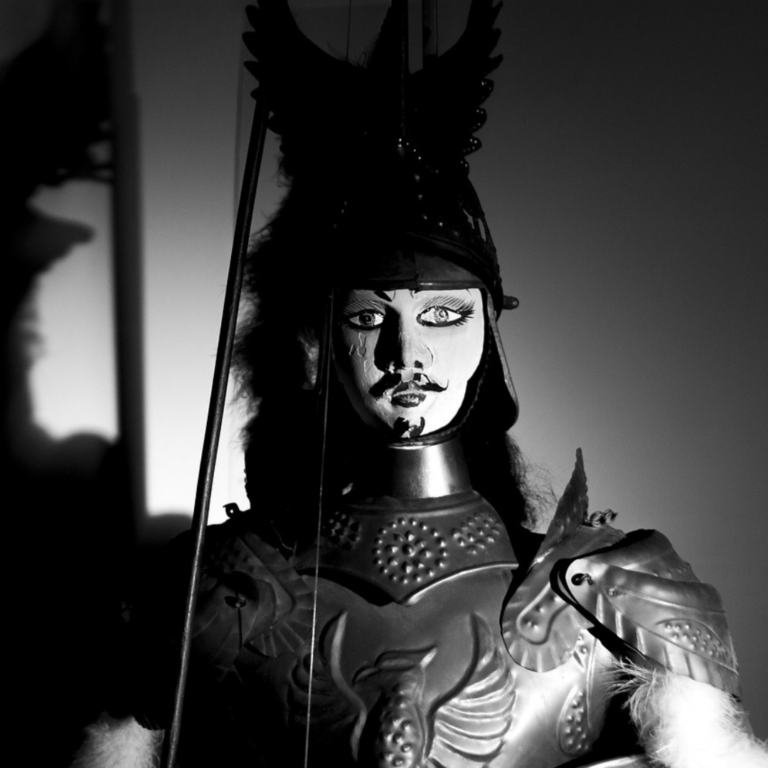
Sicily, an island shaped by its diverse history and vibrant culture, holds one of Europe’s most distinctive and enchanting theatrical traditions, the Opera dei Pupi. This extraordinary form of puppet theater, unique to Sicily, has enchanted audiences for over two centuries with its intricate craftsmanship, epic tales of knightly valor, and poignant moral lessons.
At the heart of Opera dei Pupi lies a world of meticulously crafted puppets brought to life by skilled puppeteers who fuse art and storytelling in every performance. This tradition goes beyond mere entertainment; it serves as a living bridge to Sicily’s medieval past and offers a deep understanding of the island’s enduring values of loyalty, courage, and faith.
This expanded exploration of Opera dei Pupi will take you through its rich origins, the captivating themes that define its performances, the exceptional craftsmanship behind its puppets, and the workshops and museums in Palermo and Catania keeping the tradition alive today. By the end, you’ll understand why UNESCO has recognized this art as a “Masterpiece of the Oral and Intangible Heritage of Humanity.”
A History Rooted in Storytelling
The Beginnings
The origins of Opera dei Pupi date back to the early 19th century when it emerged as a beloved form of folk entertainment in Sicily. Rooted in ancient storytelling traditions, this theatrical form originally catered to working-class audiences seeking both escapism and moral lessons during their evenings. Town squares, courtyards, or modest stages would come alive with riveting depictions of medieval knights, mythical creatures, and legendary feats of bravery.
While puppet theaters existed elsewhere in Italy, the Sicilian version became distinct, shaped by the island’s historical context. Drawing inspiration from two medieval epics, Ludovico Ariosto’s Orlando Furioso and The Song of Roland, Opera dei Pupi offered audiences a vivid retelling of chivalric tales that resonated with Sicily’s cultural temperament. Its popularity grew rapidly, transforming it into a vital part of Sicilian heritage.
Decline and Revival
By the mid-20th century, the advent of cinema and television led to a gradual decline of the Opera dei Pupi. Once-thriving theaters shut down as modern entertainment took center stage. It seemed that this treasured tradition might fade into obscurity.
However, local artists and cultural custodians refused to let Opera dei Pupi disappear. Family-run theaters persisted, passing down their skills to the next generation, while efforts to preserve the craft gained momentum. Today, thanks to these initiatives, puppet theaters are not just preserved but are celebrated, with performances continuing to captivate audiences from around the world.
The Grand Themes of Opera dei Pupi
The true magic of Opera dei Pupi lies in the stories it tells. These are not simply random tales; they are universal epics woven with elements of morality, identity, and perseverance.
Knightly Valor
The knights of Opera dei Pupi are legendary figures steeped in medieval literature. Central to many performances is the noble paladin Orlando (Roland), a knight of Charlemagne’s court whose loyalty, courage, and tragic flaws make him an enduring character. He is joined by fellow knights such as Rinaldo and Gano, who represent different facets of heroism and betrayal.
One of the most dramatic tales involves Orlando’s unrequited love for Angelica, Princess of Cathay. His descent into madness upon learning of her marriage to another man is an epic saga of human emotion that resonates even today. Through Orlando’s victories and heartbreak, audiences grapple with profound questions of duty, honor, and sacrifice.
Struggles of Good and Evil
At its core, Opera dei Pupi is about the timeless battle between good and evil. The knights, often portrayed as agents of virtue, fight against Saracen warriors, monstrous beings, witches, and other antagonists. While these battles are thrilling spectacles with swords clashing and sparks flying, they also carry symbolic weight, reflecting deeper struggles for justice, faith, and dignity.
Stories of Morality and Sicily’s Identity
Beyond the epic battles and romantic entanglements, Opera dei Pupi is rich in moral lessons. Themes such as loyalty to one’s community, perseverance in times of hardship, and the inevitable consequences of betrayal resonate deeply with Sicilian audiences. These tales also reflect the island’s historical complexities and the blending of cultures that has characterized Sicily for centuries.
For instance, the subtle humanity of many villains, often painted with sympathetic strokes, illustrates Sicily’s nuanced understanding of morality. Not every battle is clear-cut, and the characters’ struggles often mirror real-life dilemmas faced by the island throughout its storied past.
Through a mix of myth, legend, and parable, Opera dei Pupi provides not just entertainment but also guidance on navigating the challenges of life.
Crafting Masterpieces: The Intricacies of Puppet-Making
The visual spectacle of Opera dei Pupi owes much to the artistry of the puppets themselves. Known as pupi, these creations are more than stage props; they are masterpieces of craftsmanship, designed to dazzle onlookers while withstanding rigorous performances.
Materials and Design
Traditional Sicilian pupi are constructed using wood, iron, and cloth. Their heads are meticulously carved from wood, capturing the essence of each character with facial details that range from heroic to grotesque. Iron frames are used for their bodies to allow realistic articulation. The puppets are controlled with iron rods, which add fluidity to their movements during dramatic sword fights and emotional gestures.
The standout feature of each pupo is its attire. From shimmering velvet cloaks to gilded breastplates, every element is carefully chosen to represent the character’s personality and status. Noble knights are adorned with shining armor and noble crests, while villains wear darker, more intimidating garb.
Differences Between Palermo and Catania Styles
Sicily’s two most famous regions for Opera dei Pupi, Palermo and Catania, have distinct approaches to puppet design and movement.
- Palermo Style
Palermo’s pupi are larger, standing at around 85 cm tall, and are known for their elaborate detailing. The armor, often created with embossed brass or copper, is particularly stunning, with intricate etchings that catch the light in mesmerizing ways. While the larger size makes the puppets more imposing, their movements tend to be slightly less fluid. - Catania Style
The pupi from Catania are slightly smaller, measuring around 70 cm, but compensate with greater mobility. Puppeteers in Catania focus on dynamic performances, emphasizing dramatic swordplay and fast-paced action. The design of Catania puppets often highlights exaggerated features that enhance storytelling clarity, such as pronounced facial expressions.
Preserving Tradition in Palermo and Catania
For those captivated by Opera dei Pupi, Sicily’s cities of Palermo and Catania offer an unparalleled chance to explore this tradition firsthand.
Workshops and Theaters in Palermo
Palermo is considered the heart of Sicilian puppet-making, and visitors can witness master artisans at work in dedicated workshops. The Antonio Pasqualino International Puppet Museum, an essential destination, documents the history of Opera dei Pupi through an impressive collection of vintage puppets and artifacts. Workshops like Figli d’Arte Cuticchio offer live demonstrations where hidden craftsmanship comes alive.
Catania’s Vibrant Scene
Catania’s focus on performance makes it a dynamic hub for Opera dei Pupi. Family-run workshops, such as those managed by the Napoli family, welcome visitors to observe their creation process. Traditional theaters in the city often host thrilling live productions, allowing you to experience both the artistry of puppet-making and the vibrant energy of pupi storytelling.
Why Opera dei Pupi Matters Today
Despite the passage of time and the rise of new forms of entertainment, Opera dei Pupi remains a vital part of Sicily’s cultural identity. UNESCO’s recognition of this tradition underscores its global significance as a form of intangible heritage that connects generations through shared values and storytelling.
Efforts to preserve and promote this art form have opened the door for new international audiences, while younger Sicilians are beginning to rediscover the magic of their ancestors’ craft. Whether performed for children in a historic theater or tourists eager to learn, Opera dei Pupi continues to enchant and inspire.
A Journey You’ll Never Forget
For anyone seeking an authentic glimpse into the soul of Sicily, Opera dei Pupi is an unforgettable experience. Visit the workshops in Palermo or Catania to witness the skill of the artisans, sit spellbound during a live performance, or simply marvel at the tales of knights and valor that have defined this tradition for centuries.
The magic of Opera dei Pupi isn’t just in its puppets or its stories; it’s in the way it brings history to life, reminds us of the universal quest for meaning, and celebrates the remarkable resilience of Sicilian culture.