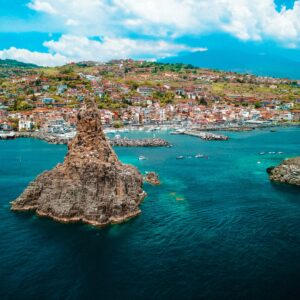
Sicily, blessed with sweeping landscapes, sun-drenched vineyards, and a rich agricultural heritage, has emerged as a global leader in sustainable winemaking. Leading the charge are organic and biodynamic wineries, where the art of viticulture intersects with ecological stewardship. These producers are rewriting the rules of winemaking, promoting harmony between nature and craft while redefining what it means to create exceptional wine.
More than a trend, organic and biodynamic practices are a philosophy rooted in respect—for the land, for the unique terroir, and ultimately, for the wine itself. Every grape harvested, every bottle poured tells a story not just of flavor but of the deep connection between winemaker and earth.
This exploration dives into the principles of organic and biodynamic winemaking, shining a spotlight on the Sicilian wineries that embody these values. From certifications to hospitality-rich vineyard experiences, here’s why Sicily is setting the standard for a sustainable wine future.
What Are Organic and Biodynamic Wines?
Organic and biodynamic winemaking represent two distinct but interlinked approaches based on sustainability and respect for the earth. Both reject harmful synthetic interventions while aiming to enhance the health of the soil and the surrounding ecosystem.
Organic Winemaking
Organic winemaking focuses on eliminating synthetic chemicals, such as pesticides, herbicides, and artificial fertilizers. Instead, vineyards rely on natural solutions to combat pests and promote soil health. Compost, cover crops, and natural predators are all employed as part of an integrated eco-system management approach.
Key principles of organic winemaking include:
- Healthy Soil: By nurturing soil fertility through natural methods, organic vineyards promote robust vine growth and fruit production.
- Minimal Intervention: Organic winemakers aim to interfere as little as possible with the fermentation process, preferring wild yeasts and natural fermentations to achieve unique flavors.
- No Additives: Organic wine limits the use of additives like sulfites, ensuring purity in every bottle.
Biodynamic Winemaking
Biodynamic winemaking takes organic principles a step further. Inspired by the agricultural philosophy of Rudolf Steiner in the early 20th century, it integrates cosmic rhythms, lunar cycles, and holistic farm practices. Viewing the vineyard as a self-sustaining organism, biodynamic farmers use specially-prepared composts and herbal sprays to energize the soil.
Key tenets of biodynamics include:
- Lunar Calendars: Vineyard activities, such as planting, harvesting, and bottling, are timed to align with lunar phases and celestial movements.
- Biodiversity: The vineyard is seen as part of a larger ecosystem, with chickens, bees, and other animals welcomed to maintain balance.
- Special Preparations: Natural sprays like horn manure and silica are used to vitalize soil and vines.
While biodynamic methods might sound mystical, the proof lies in the results. Many of the world’s most revered wines, including Sicily’s rising stars, are produced biodynamically, attesting to the harmony and vitality this approach imparts.
Sicilian Wineries at the Forefront
Sicily has taken full advantage of its Mediterranean climate, volcanic soils, and extended sunlight hours to thrive as a haven for organic and biodynamic viticulture. Here are some standout wineries committed to creating environmentally conscious wines without sacrificing hospitality or quality.
1. COS Winery
Founded in 1980 in the Vittoria region, COS is a pioneer of natural winemaking in Sicily. The winery takes inspiration from biodynamic principles, using amphorae, ancient clay vessels, to ferment their wines naturally. Indigenous grapes like Frappato and Nero d’Avola star here, producing wines that are vibrant, elegant, and deeply expressive of their terroir.
Visitors to COS are treated to an authentic experience, with guided tours through their vineyards and cellars. Their tastings often take place in restored historical buildings, offering an immersive look into Sicily’s winemaking heritage.
2. Arianna Occhipinti
Arianna Occhipinti, a beloved name in Sicilian winemaking, embodies the spirit of organic viticulture. Her approach emphasizes respect for the vineyard’s natural balance, with minimal intervention in both farming and winemaking processes. Pioneering varieties like Frappato and Nero d’Avola, her wines are a celebration of purity and terroir.
For those lucky enough to visit, the winery offers intimate tastings where Arianna herself often narrates her story, offering an unmatched personal connection. Nestled in the countryside, her estate is equal parts peaceful retreat and wine lover’s paradise.
3. Tasca d’Almerita
Renowned as one of Sicily’s most prestigious estates, Tasca d’Almerita has made sustainability a central part of its identity. With multiple vineyards around the island, including on Mount Etna and the island of Salina, they’ve implemented organic practices and embraced certifications like VIVA, ensuring their wines leave a minimal environmental footprint.
The estate’s hospitality is as exceptional as its wines. Guests can take part in vineyard tours, guided tastings, and even overnight stays at their historic Regaleali estate. This is luxury combined with eco-consciousness at its finest.
4. Tenuta Regaleali
Among Sicily’s rolling hills is Tenuta Regaleali, an estate that has championed organic practices for decades. The winery belongs to the Tasca family, who have blended innovation with tradition to craft sun-kissed wines like the famed Rosso del Conte.
Visitors can immerse themselves in vineyard life through activities like cooking classes, farm tours, and wine tastings. The estate is also a feast for the senses, with its olive groves, organic vegetable gardens, and tranquil pastoral views enhancing every visit.
Certifications and Sustainability Labels
Wine lovers interested in sustainable practices can look for certifications and labels that indicate eco-friendly winemaking. Here are a few you’ll encounter in Sicily.
Organic Certification (EU Organic Seal)
This ensures that the wine was produced without synthetic chemicals, with at least 95% of ingredients meeting organic standards. Organic wines bear the recognizable green EU leaf logo.
Biodynamic Certification (Demeter Label)
Certified biodynamic wineries must adhere to strict farming practices that promote soil vitality and ecological diversity. The Demeter label guarantees wines are crafted with biodynamic principles at their core.
VIVA Sustainable Wine Project
A uniquely Italian certification, VIVA measures the environmental, social, and economic sustainability of a wine producer. Participating wineries in Sicily, including Tasca d’Almerita, proudly display the VIVA logo on their bottles.
By choosing wines with these certifications, consumers can enjoy their drink of choice while contributing to a greener planet.
Why Organic and Biodynamic Wines Matter
For the Environment
Promoting soil health, conserving water, and supporting biodiversity, organic and biodynamic practices pave the way for a more sustainable and resilient ecosystem. By prioritizing natural over synthetic, these methods protect not just the vineyard but the surrounding wildlife.
For the Consumer
Sustainably made wines carry fewer chemical residues and are often crafted with minimal additives, ensuring transparency and authenticity. Many enthusiasts also claim these wines offer cleaner flavors and a closer connection to the land.
For the Future of Wine
In an era of climate change and environmental challenges, adopting sustainable practices is no longer optional but essential. Organic and biodynamic methodologies not only preserve agriculture for future generations but also ensure the longevity and quality of wine itself.
Experience Sicily’s Sustainable Charm
Sicily’s organic and biodynamic wines are much more than beverages; they are stories bottled with care, passion, and respect for the planet. Whether you’re savoring the volcanic notes of an Etna Bianco or exploring the sunny shores of Menfi with a glass of Grillo, every sip reflects a commitment to sustainability.
The island’s eco-conscious wineries offer more than just wine tastings. They provide a window into an agricultural philosophy that values responsibility over greed, community over isolation, and flavor over mass production. By visiting these wineries, you join a growing movement celebrating the beauty of balance between earth and vine.