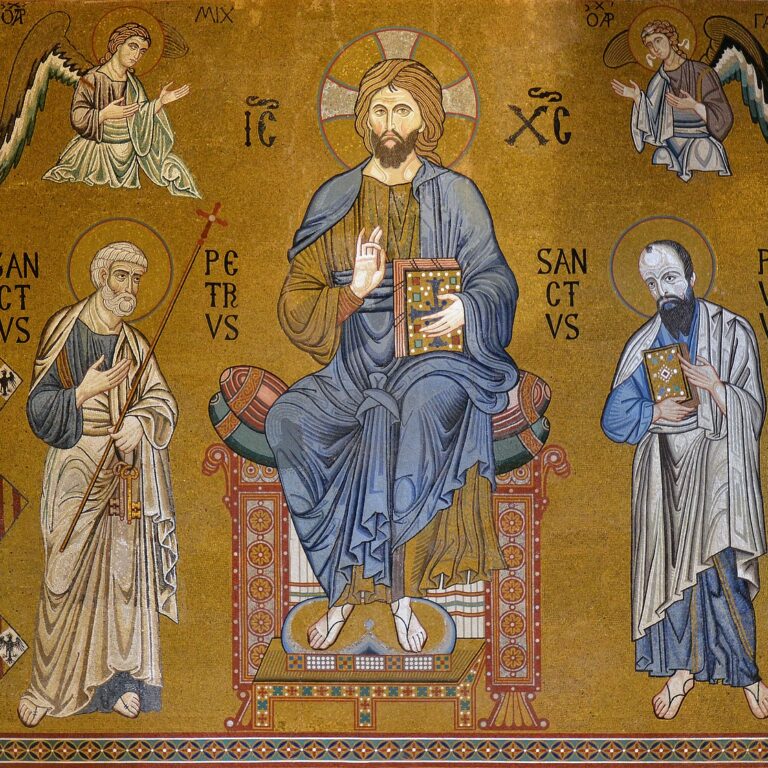
Beyond the grand processions of revered events like the Feast of Sant’Agata in Catania or the well-known Processione dei Misteri in Trapani, lies the beating heart of Sicily’s cultural identity—the patron saint festivals in the island’s smaller villages. These intimate celebrations are steeped in tradition, showcasing a unique blend of faith, community, and cultural pride. Tucked away in quiet corners of Sicily, these events often provide an unfiltered, authentic glimpse into the lives and heritage of locals, reflecting centuries of devotion and storytelling.
From the Festa di San Giovanni Battista in Ragusa to the Madonna dell’Annunziata in Trapani, these festivals are vibrant showcases of Sicily’s rich histories and village identities. They highlight how close-knit communities unite to honor their heritage, with traditions passed lovingly from one generation to the next.
A Tapestry of Faith and Tradition
Every village in Sicily venerates its patron saint as a source of protection and guidance. These saints are seen as part of the community, metaphorically walking alongside their devotees in both times of triumph and hardship. Unlike large city celebrations, village events are marked by quiet reverence and deep personal connections between the saint and the people.
The rituals and traditions that surround these festivals are rich in symbolism. From intricately decorated altars and candle-lit processions to the communal preparation of feasts, every detail conveys an unmistakable blend of spirituality and artistry. While the core of each festival revolves around religious observance, the broader celebrations often extend to food, music, and cultural displays, inviting participants to experience the deep roots of these customs.
Festa di San Calogero in Sciacca
A particularly striking example of faith in motion is the Festa di San Calogero in Sciacca. San Calogero, a revered figure in Sicilian folklore, is believed to have healing powers and a profound connection with the rural communities of the island. Celebrated each July, the festival features barefoot devotees carrying heavy candles, a gesture symbolizing humility and penance.
The streets of Sciacca bloom into life with processions, where the statue of San Calogero is paraded through the town alongside bursts of traditional music and the boisterous sounds of joy. This duality of solemnity and exuberance marks Sicilian celebrations as uniquely dynamic. Families prepare offerings of baked goods, often shaped into symbolic forms, which are presented at makeshift altars or distributed among attendees.
For visitors, the Festa di San Calogero serves as an extraordinary opportunity to see a living manifestation of Sicilian traditions. Many luxury tour operators offer exclusive access to private viewing balconies overlooking the processions, guided walking tours of Sciacca’s ancient streets, and curated tastings of regional dishes like stigliola (grilled lamb intestines) and frittelli (sweet fritters). For an added touch of indulgence, visitors can stay in boutique accommodations with sweeping views of the nearby Mediterranean coast.
Festa di Santa Lucia in Siracusa
While Siracusa is renowned for its Baroque architecture and Greek ruins, its devotion to Santa Lucia, the patron saint of the blind and a central figure in Sicilian spirituality, makes for an unforgettable experience. Celebrated twice a year—in December and May—the festivals dedicated to Santa Lucia draw not only locals but also pilgrims from far and wide.
During the December event, a silver statue of Santa Lucia is carried through Siracusa’s streets, ending at the Basilica di Santa Lucia al Sepolcro, the site of the saint’s martyrdom. The May procession, known as the Grain Festival, is a unique iteration paying homage to Santa Lucia’s role in ending a severe famine centuries ago. Devotees scatter grains and flowers along the procession route as an offering of gratitude.
Luxury travelers can enjoy refined experiences such as private guided tours of Siracusa’s religious landmarks or a behind-the-scenes look at the workshops where craftsmen create the festival’s elaborate floats and decorations. Gourmet dinners featuring modern interpretations of cuccìa (a traditional dish made with wheat berries and ricotta, prepared to honor Santa Lucia) complete an exclusive itinerary celebrating faith and flavor.
Madonna dell’Annunziata in Trapani
While Trapani is famed for its dramatic Easter celebrations, the quieter Festa della Madonna dell’Annunziata offers a more intimate exploration of local piety. Celebrated on March 25th, the festival venerates the Madonna with rituals that reflect her central role as the maternal protector of the community.
The village streets become a living gallery of devotion, adorned with fresh flowers and handmade decorations. The Madonna’s statue, lovingly adorned with a crown and intricate garments, is carried through the streets in a reverent procession accompanied by hymns passed down through generations. Women of the community often play a prominent role in organizing and leading the festivities, underscoring the deep personal connection between the Madonna and her devotees.
For those eager to explore the festival through a luxurious lens, opportunities abound. Private walking tours focus on Trapani’s storied religious heritage, while exclusive tastings of local specialties like couscous di pesce (fish couscous) provide a sensory introduction to the region’s culinary traditions. Some high-end tour packages even include hands-on workshops with local artisans, offering insight into the crafts behind the festival’s ornate decorations.
The Unique Character of Village Festivals
Each Sicilian village brings its own nuances and character to its patron saint celebrations. Some festivals, like the Festa di San Biagio in Milo, are closely tied to agricultural cycles, involving blessings of livestock and bountiful harvests. Others, like the Festa di Santa Rosalia in Palermo’s smaller neighborhoods, reflect Sicily’s seafaring traditions, culminating in dramatic sea processions with the saint carried on a boat.
No two festivals are alike, but all share the unshakable sense of community and pride unique to Sicily. Generational participation is key, as children, parents, and grandparents come together to uphold traditions that form the backbone of their local identity. From crafting flower petal mosaics to rehearsing traditional songs, everyone plays a role in keeping the spirit alive.
A Connection to Sicily’s Broader Heritage
These village celebrations would not exist without the context of Sicily’s broader religious and cultural landscape. Together with larger festivals like the Feast of Sant’Agata and Holy Week in Trapani, they complete a mosaic of faith on the island, offering a more intimate side of what is often portrayed as Sicilian grandeur.
Whereas urban events might be recognized for their scale and theatrics, village festivals offer a raw, heartfelt authenticity. They bring into focus the human aspect of faith and demonstrate how centuries-old customs have evolved to reflect the enduring values of family, community, and hope.
Tailored Experiences for Discerning Travelers
For travelers seeking authentic engagement paired with comfort and luxury, Sicily’s village festivals provide a wealth of curated opportunities. Private guides can offer historical insights into the rich narratives behind each saint and festival while arranging exclusive access to parts of the celebrations typically reserved for locals.
Culinary experiences are another highlight. Visitors might enjoy farm-to-table dinners featuring local specialties prepared by seasoned chefs or partake in intimate cooking workshops pairing traditional recipes with regional wine selections. Accommodations in countryside estates or converted Baroque villas ensure a cozy retreat after days filled with activity and exploration.
Preserving Culture, Celebrating Identity
At their core, these patron saint festivals are more than religious observances; they are powerful expressions of identity. They preserve the stories, traditions, and values that shape the fabric of Sicily’s smallest communities, ensuring their legacy endures in a rapidly changing world.
Through these festivals, Sicily invites the world to witness its soul—from the flame-lit streets of Ragusa to the flower-strewn alleys of Trapani’s villages. Attending these celebrations is to partake in living history, savor age-old recipes, and forge heartfelt connections with the island’s people.