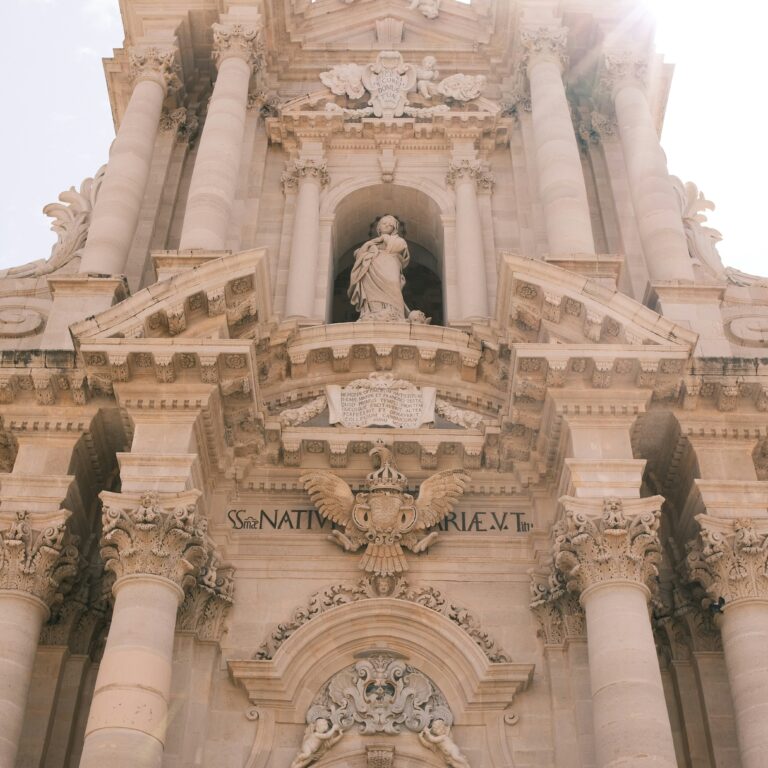
Catania, nestled under the imposing shadow of Mount Etna, boasts not only breathtaking landscapes and historic landmarks but also a profound devotion to its patron saint, St. Agatha. Every February, this vibrant Sicilian city transforms into a canvas of faith, tradition, and festivity, hosting one of the grandest religious celebrations in all of Italy: the Sant’Agata Festival. Spanning three days and drawing thousands of devotees and curious travellers, this extraordinary event blends spiritual devotion with cultural pageantry, embodying the heart and soul of Sicilian heritage.
For luxury seekers, the Sant’Agata Festival is more than just an event; it’s an invitation to immerse oneself in the timeless rhythms of Sicilian life. From the mesmerising processions to the indulgent flavours of local delicacies prepared exclusively for the occasion, experiencing this festival through bespoke tours elevates the encounter from the ordinary to the extraordinary. This comprehensive guide offers a deep exploration of the Sant’Agata Festival, from its powerful history to its vibrant present.
Who Was St. Agatha?
Before immersing ourselves in the festival itself, it’s essential to understand the significance of St. Agatha, a revered figure in Sicilian and Christian history. Born in the 3rd century AD, Agatha of Catania is celebrated for her unwavering faith and courage. According to legend, she was a noblewoman of immense beauty who chose to dedicate her life to God, rejecting numerous suitors. Her refusal enraged a Roman official, who subjected her to persecution and martyrdom for her devotion.
St. Agatha’s courage and purity made her an enduring symbol of faith and resilience in Sicily. She is also deeply connected to Catania’s survival through centuries of volcanic eruptions and natural disasters, as locals credit her intercession for protecting the city from harm. This profound connection to Agatha is palpably felt during the festival, where devotion takes centre stage.
The Three-Day Celebration
The Sant’Agata Festival unfolds over three remarkable days in February, drawing participants from across Sicily and beyond. The sheer scale of this celebration, coupled with its intricate rituals, demonstrates the depth of Catania’s veneration for its patron saint. Here is a closer look at the daily events that define this spectacular festival.
Day 1: The Offering of Candles
The festival commences with the Offerta della Cera (Offering of Candles), a solemn yet visually captivating tradition. Devotees arrive in their hundreds, often dressed in white tunics known as the “sacco,” carrying large candles as offerings to St. Agatha. The candles, some of monumental size, are ornately adorned, symbolising the prayers and desires of those presenting them. The procession makes its way to the city’s Cathedral of St. Agatha, where the candles are offered at her altar in displays of humility and gratitude.
Day 2: The Grand Procession
The true heart of the festival lies in its grand procession on the second day. This is a deeply moving event where religious fervour and cultural spectacle intertwine. The “vara”, an intricately decorated silver carriage containing the relics of St. Agatha, is carried through the city by her devoted followers. Accompanying the vara are the iconic Candelore, enormous candlestick-shaped floats representing the city’s guilds and trade families. Lavishly adorned and illuminated, the Candelore are carried by men who rhythmically sway the floats, adding a theatrical intensity to the scene.
The streets of Catania come alive with chanting, church bells tolling, and explosions of fireworks illuminating the night sky. Visitors privileged to witness this spectacle often describe it as both deeply spiritual and visually arresting, a sensory experience like no other.
For luxury visitors, bespoke viewing spots provide an unrivalled perspective of the procession. Imagine sipping a glass of fine Sicilian wine from a balcony overlooking the piazza, taking in the procession’s grandeur with an expert guide narrating the event’s historical intricacies.
Day 3: The Closing Rites
The final day of the festival is marked by another significant procession, this one traversing a longer and more arduous route. The atmosphere becomes increasingly reverent as dusk approaches, with thousands of devotees bearing candles and singing hymns in unison. The procession concludes with the vara being returned to the Cathedral, signalling the festival’s end.
This emotional culmination of the three-day celebration reminds participants and witnesses alike of the profound spiritual connection shared between Catania and St. Agatha. Travellers seeking an enriched experience can opt for private guided tours that extend beyond the festival, exploring the cathedral’s relics and the fascinating archaeological history of the city.
The Culinary Connection
Like all Sicilian celebrations, no festival is complete without an indulgent feast, and the Sant’Agata Festival is no exception. Locals and visitors alike delight in the variety of traditional dishes and street food that dominate the streets of Catania during the festivities.
One of the most iconic treats associated with the festival is the minnuzze di Sant’Agata (St. Agatha’s breasts), delicate ricotta-filled pastries shaped to symbolise the martyrdom of the saint. These sweets, topped with white icing and a cherry, are as delicious as they are symbolic.
Other culinary highlights include arancini, golden rice balls stuffed with fillings such as ragu or pistachio, and cassatelle, deep-fried pastries filled with sweet ricotta and chocolate. The vibrant food stalls that line the festival routes serve these delicacies alongside savoury favourites like pane cunzato (seasoned bread) and freshly grilled seafood.
For luxury travellers, experiencing Sicily’s culinary traditions during the Sant’Agata Festival is best done through private food tours. Indulge in exclusive tastings curated by expert chefs, followed by intimate farm-to-table dining experiences that echo the flavours of Sicily’s ancestral kitchen.
The Cultural and Religious Significance
The Sant’Agata Festival is more than just a religious obligation; it is a defining event in Sicilian cultural identity. For the people of Catania, the festival represents their admiration, gratitude, and love for the saint who has watched over their city for centuries.
From the ornate craftsmanship of the vara to the delicately prepared culinary offerings, every aspect of the festival carries the weight of generations of tradition. While the religious devotion is at its heart, the festival also serves as a celebration of Sicilian artistry, community, and resilience.
Modern Relevance
The Sant’Agata Festival also plays a significant role in Catania’s modern tourism economy. Each year, it draws thousands of visitors who contribute to the city’s hospitality and artisanal industries, ensuring the preservation of cultural heritage while providing economic vitality. Luxury travellers, in particular, find this festival a perfect occasion to experience Sicily’s unique intersections of history, devotion, and indulgence.
Experience the Festival in Luxury
For discerning visitors, attending the Sant’Agata Festival is a once-in-a-lifetime cultural adventure. Through bespoke festival tours offered by Sicily Luxury Services, guests can enjoy exclusive access to privileged viewing areas, private guided walks through major processional routes, and tailored culinary experiences.
Imagine stepping onto a luxury yacht for a sunset aperitif after a full day of immersion in the vibrant streets of Catania, or indulging in a Michelin-starred meal inspired by traditional Sicilian recipes crafted in honour of St. Agatha.
The Sant’Agata Festival invites you to witness a timeless blend of faith, culture, and artistry. At Sicily Luxury Services, we curate exclusive itineraries that immerse you in the festival’s grandeur while ensuring the utmost comfort and sophistication. Plan your luxury experience with us today and discover the spirit of Sicily through one of its most cherished traditions.