Sicily, an island where every corner tells a story, is renowned for its culinary delights, dramatic landscapes, and artistic traditions. Yet, an essential chapter of Sicilian heritage often goes unnoticed by many travellers: its rich textile and embroidery craftsmanship. These time-honoured arts capture Sicily’s spirit, merging function and beauty in deeply meaningful ways.
From handwoven linens to ornate embroidery, textiles in Sicily are more than just decorative items; they are vessels of identity, history, and artistry, shaped by centuries of influence from the Greeks, Arabs, Normans, and Spanish. Whether sourced from a boutique atelier perched in Erice or a family-run workshop in Ragusa, each piece offers a glimpse into the island’s cultural and artistic heart.
For those seeking to bring home something truly special, Sicilian textiles provide not just a luxurious keepsake but also a fragment of the island’s soul. Delve into this comprehensive guide to discover the stories, techniques, and artisans who keep Sicily’s timeless textile traditions thriving.
Historical Overview
Ancient Beginnings
The art of textile creation in Sicily dates back to ancient times when the island’s climate and fertile lands provided resources for cultivating flax, cotton, and wool. Greek settlers around the 8th century BC were among the first to weave complex textiles, influencing the early development of Sicilian techniques. Archaeological finds suggest that these early fabrics, used for clothing and domestic purposes, were adorned with simple geometric patterns, reflecting both function and early aesthetics.
A Confluence of Cultures
What followed was a tapestry of influences that shaped Sicilian textiles into what they are today. Sicily’s location in the heart of the Mediterranean made it a natural melting pot, with Arabs, Normans, and Spanish rulers all leaving their mark on the island’s textile heritage.
- Arab Contributions
Arab rule introduced much more than advanced silk-weaving techniques; they brought an entirely new palette of vibrant dyes derived from saffron, indigo, and madder root. Their intricate geometric patterns, inspired by Islamic art, elegantly merged with Sicily’s existing designs to produce textiles steeped in complexity and beauty. - Norman and Byzantine Legacy
During Norman rule, the rich Byzantium tradition of depicting religious iconography found its way into textiles. These fabrics became statements of devotion, used as coverings in sacred spaces or as garments for priests and royalty. Sicily’s embroidery techniques flourished during this era, paving the way for the elaborate designs we see today. - Spanish Integration
The Spanish era heralded a golden age for embroidered fabrics, as lace-making and decorative needlework became highly sought-after skills. Palermo emerged as a centre for textile arts, exporting ornate fabrics that displayed intricate detailing unseen elsewhere.
Traditional Techniques and Materials
Handwoven Linens
Sicilian linen, with its long-lasting fibres and smooth texture, has been a staple of the island’s textile tradition for centuries. The island’s rural communities developed their own patterns, often drawing upon nature for inspiration. Sunflowers, olive branches, and fig leaves became recurring motifs in handwoven designs. Some linens incorporate border embroidery, blending weaving and stitching into seamless harmony.
The process of creating handwoven linens is as painstaking as it is poetic, with artisans spending hours preparing and threading looms before weaving begins. Many traditional weavers, such as those in the villages around Erice, continue to use wooden looms, which have remained largely unchanged for generations.
The Art of Ricamo (Sicilian Embroidery)
Sicilian embroidery has long been revered for its sophistication, blending delicate floral motifs with bold geometric patterns. Ricamo a intaglio (cutwork embroidery) and punto antico (ancient point stitch) are among the oldest techniques, requiring an exceptional level of skill and patience.
One standout example includes tablecloths made with intricate latticework edges, which mimic lace. Traditionally, these were created as part of a bride’s dowry, given as heirlooms to commemorate a new beginning. Today, these patterns echo a sense of nostalgia while remaining highly desirable for modern households.
Lace-Making Techniques
Introduced by the Spanish in the 15th century, lace-making in Sicily takes many forms, with tombolo (bobbin lace) and reticella (needle lace) being the most popular. Bobbin lace involves manipulating threads wound around bobbins to produce complex patterns, while needle lace requires crafting delicate designs solely with needle and thread. These techniques are still preserved in workshops from Cape Passero in the south to small villages near Trapani.
Materials That Stand the Test of Time
Sicilian textiles often employ natural fibres, with wool and cotton being the most common for everyday items and silk reserved for high-end creations. These materials are chosen not only for their durability but also for their ability to hold vivid dyes, which enhance the patterns.
Boutique Ateliers and Craft Preservation
Erice’s Weaving Legacy
The walled hilltop town of Erice, perched high above the sea, is renowned for its commitment to preserving traditional textile-making methods. A stroll through its cobblestone streets reveals artisan workshops where the rhythmic clatter of looms fills the air.
- Star Atelier
La Tela di Penelope remains a beacon of craftsmanship in Erice. This atelier doubles as a museum and workshop, allowing visitors to observe artisans weaving intricate tapestries while learning about the historical role weaving played in Sicilian households. Every piece here – from runners to cushion covers – carries timeless charm.
Ragusa’s Embroidery Renaissance
Baroque Ragusa, famed for its golden-hued buildings, is home to embroidery experts who seamlessly blend tradition with forward-thinking designs. By integrating bold new colour schemes with age-old techniques, ateliers like “Arte Antica Ragusa” offer fresh takes on embroidered scarves, linen napkins, and pashminas, appealing to modern sensibilities without losing Sicily’s artisanal spirit.
Trapani and Beyond
Nestled along the western coast, Trapani is a quieter hub for textile art. Notable ateliers such as “Fili d’Oro” focus on lace production, continuing traditions that have existed since the Spanish era. Nearby, smaller towns like Mazara del Vallo harbour female artisans devoted to hand-sewn altar cloths and religious vestments, showcasing how textile art is tied to spirituality in Sicily.
Textiles as Meaningful Souvenirs
Practical Elegance
A Sicilian textile provides a unique way to bring home a piece of the island. Handmade tablecloths and placemats, embroidered with motifs like Moorish arches or prickly pear trees, serve as striking centrepieces for family gatherings. Meanwhile, lace-trimmed pillowcases or cashmere shawls blend practicality with timeless luxury.
Tips for Selecting Authentic Textiles
- Examine Craftsmanship
Authentic handwoven or embroidered textiles display slight irregularities, a testament to their handmade origins. Machine-made pieces often appear too uniform to be genuine. - Ask Questions
Do not hesitate to ask about the techniques used, the material source, or the story behind the design. Artisans offer invaluable insights into their craft. - Opt for Certified Workshops
Look for retailers that explicitly identify their products as handmade on the island. Many workshops display certificates or logos establishing authenticity. - Think Ahead
Ensure the piece is practical for shipping or display in your home. Most ateliers provide packaging designed to protect fragile textiles during travel.
Connection to Sicilian Identity
Cultural Traditions
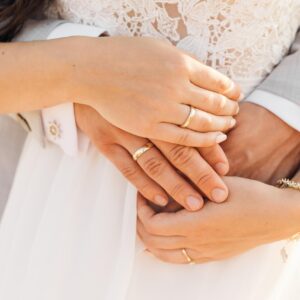
Textiles hold a ceremonial significance in Sicilian culture. During weddings, embroidered tablecloths symbolise new familial ties. Similarly, religious festivals often incorporate lace banners crafted by local women, displaying a community’s devotion to its patron saint.
A unique example is the use of lace veils during processions in Trapani’s Semana Santa, or Holy Week. These intricately designed veils, draped over statues of Mary, encapsulate the emotional and spiritual resonance textile art carries in Sicily.
Preserving the Past for the Future
Every purchase of a handmade Sicilian textile contributes to the survival of these precious traditions. Without continued interest in their works, many artisans fear their skills will be lost to modernity. By investing in these pieces, visitors are taking part in a larger effort to preserve artisanal history.
Weaving Tradition, Stories, and Craftsmanship
Sicilian textiles offer more than visual and tactile delights; they carry stories, memories, and connections to an ancient way of life. Whether browsing lace doilies in Trapani or admiring vibrant linens in Erice, you’ll find that every piece has its own character and meaning.
Extend your immersion in Sicilian craftsmanship by exploring related artisanal treasures.