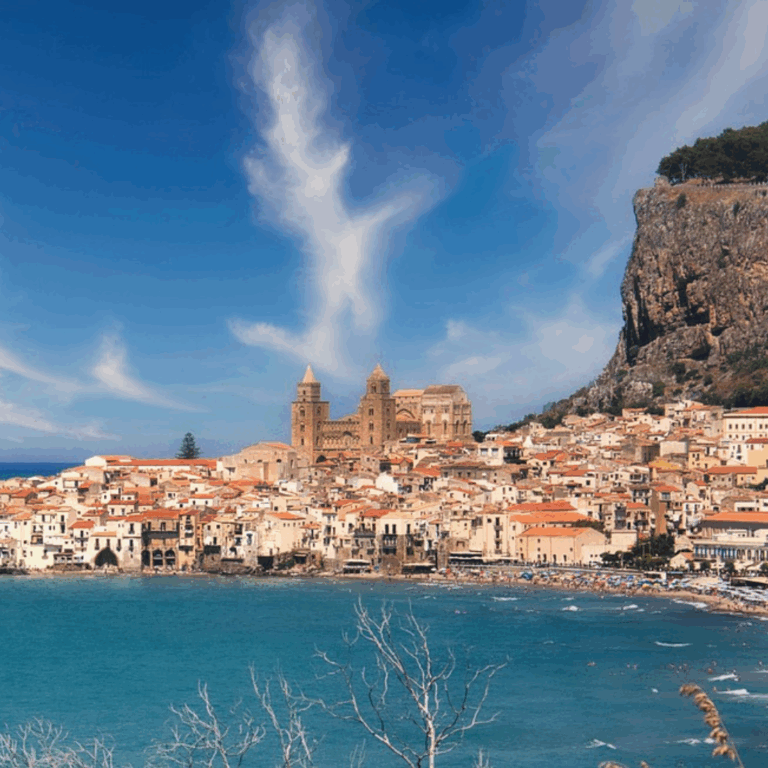
Sicily is a land where history converges with nature, creating a tapestry of breathtaking landscapes and enduring culture. Nowhere is this harmony more evident than in the island’s enchanting coastal villages. Nestled between azure waters and rolling hills, villages like Cefalù, Marzamemi, and Aci Trezza seem to exist outside the bounds of time. Here, cobblestone streets echo with century-old traditions, colorful fishing boats bob rhythmically in the harbor, and the scent of the sea mingles with the aroma of fresh seafood.
These seaside hamlets are not mere tourist attractions; they are living breathing reflections of Sicilian life, where past and present seamlessly blend. Through their rituals, festivals, and everyday rhythms, these coastal communities bring to life Sicily’s enduring connection to the Mediterranean. Whether it’s the historic tuna fishing rituals known as tonnara, the vibrant Catholic maritime festivals, or simply the art of living slow, these villages invite you to step into a world that cherishes stories woven by the winds and waves.
Beyond their scenic beauty, Sicily’s coastal villages offer a gateway to understanding the island’s heart. This article uncovers the timeless allure of these seaside gems, dives into their traditions, and provides tips for travelers eager to immerse themselves in Sicily’s coastal way of life.
Cefalù: A Medieval Gem by the Sea
Perched on Sicily’s northern coast, Cefalù is a postcard-perfect village that epitomizes Mediterranean allure. Its golden sandy beach is framed by dramatic cliffs on one side and the sparkling Tyrrhenian Sea on the other. What elevates Cefalù from a charming seaside town to a cultural treasure, however, is its rich history and captivating architecture.
Iconic Landmarks and Hidden Corners
The crown jewel of Cefalù is undoubtedly its majestic Norman Cathedral, a UNESCO World Heritage Site built in the 12th century. Rising against the backdrop of La Rocca (The Rock), the cathedral showcases intricate Byzantine mosaics that seem to glow under soft light. A climb up La Rocca rewards visitors with panoramic views of the village, coastline, and surrounding countryside.
Winding your way through the village’s labyrinthine streets, you’ll come across the Medieval Washhouse (Lavatoio Medievale), an ancient site where villagers once gathered to clean clothes in spring-fed basins carved from volcanic rock. The combination of history and everyday life here is palpable.
Cultural Traditions
Cefalù is more than architecture; it’s a community steeped in traditions. The Festa di SS. Salvatore, held every August, is a vibrant celebration in honor of the town’s patron saint. Festivities include processions, music, and fireworks that light up both the town and the skies above the sea.
Traveler Tips for Cefalù:
- Best Time to Visit: Spring (May-June) and fall (September) are ideal for avoiding summer crowds while enjoying pleasant weather.
- Must-Experience: Watch the sunset at the pier with locals as the sky reflects fiery hues over the water.
Marzamemi: A Picturesque Fishing Village
Situated on Sicily’s southeastern coast, Marzamemi is the epitome of charm. Once a bustling hub for tuna fishing, the village is now an artistic and culinary haven, without losing its maritime soul.
Tuna Fishing and La Tonnara
Marzamemi owes much of its heritage to its tonnara, the ancient method of tuna fishing brought here by the Arabs in the 10th century. The old tuna processing plant (tonnara di Marzamemi) still stands as a silent witness to centuries of maritime labor. Visitors can tour the site to learn about the mattanza ritual, the intricate process of trapping and catching these majestic fish, which was as much a cultural event as it was an economic activity.
Today, the village celebrates its fishing past through events like the Sagra del Pesce, a summer festival that showcases freshly caught seafood prepared with local flair. Street stalls serve tuna fillets, anchovies, and seafood couscous, accompanied by live music and open-air shows.
A Canvas of Colors
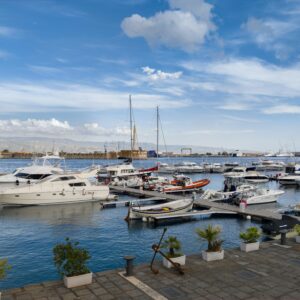
The heart of Marzamemi is its iconic Piazza Regina Margherita. Framed by rustic stone buildings and vibrant bursts of bougainvillea, the square comes alive in the evenings as locals and visitors gather at outdoor tables to enjoy freshly prepared meals. The colorful fishing boats (gozzi) dotting the harbor form a striking contrast against the crystal-clear water, completing the village’s picture-perfect scene.
Traveler Tips for Marzamemi:
- Best Time to Visit: Early summer (June) and early September offer a more relaxed atmosphere compared to the peak holiday crowds in August.
- Must-Experience: Dine al fresco in Piazza Regina Margherita or catch the sunset at the waterfront terrace of a local seafood restaurant.
Aci Trezza: Myth and Marine Splendors
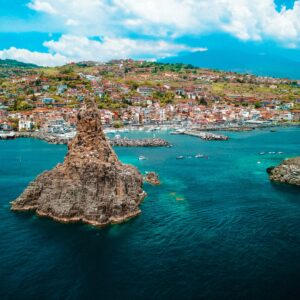
On the eastern coast of Sicily, just north of Catania, lies Aci Trezza, a fishing village famed for its dramatic coastal scenery and literary connections. The village overlooks the Cyclopean Islets, towering rock formations that, according to Greek legend, were hurled into the sea by the Cyclops Polyphemus during his fateful encounter with Odysseus.
Literary Significance
Aci Trezza also holds a place in Italian literature as the setting of I Malavoglia, Giovanni Verga’s classic novel that paints a vivid picture of the struggles and resilience of a Sicilian fishing family. This connection adds an undeniable poignancy to the village, inviting visitors to see beyond its beauty to the lives anchored in its waters.
Coastal Living and Traditions
Aci Trezza is deeply rooted in maritime culture. The Festa di San Giovanni Battista, held every June, features a colorful boat procession as locals thank the sea for its sustenance. Adding to the festive spirit are reenactments of traditional fishing practices, including a modern take on paranza, a method of net-based fishing still employed today.
For seafood lovers, Aci Trezza’s modest trattorias are the stuff of dreams. Be sure to try the spaghetti ai frutti di mare and freshly grilled squid while gazing at the sunlit ripples around the Cyclopean Islets.
Traveler Tips for Aci Trezza:
- Best Time to Visit: Visit in late June to experience the village’s maritime festival in full swing.
- Must-Experience: Take a boat tour around the Cyclopean Islets for a closer look at their volcanic composition and sense of mythic grandeur.
Timeless Coastal Traditions
Beyond the individual charm of each village, Sicily’s coastal communities share common traditions that underscore their reliance on and respect for the sea.
The Tonnara
Once the lifeblood of Sicily’s coastal economy, tonnara continues to remain a central element of cultural identity in fishing villages like Marzamemi and Scopello. Though the practice has largely faded due to overfishing regulations, the spirit of tonnara persists in local festivals and museums dedicated to this ancient craft. Visiting a restored tonnara, such as the one in Scopello, allows travelers to connect directly with this rich heritage.
Catholic Maritime Festivals
Faith and the sea converge in Sicily’s coastal villages during feste marinare. The Festa di San Giovanni Battista in Aci Trezza and the Festa della Madonna della Salute in Sciacca are prime examples of these festivals blending spiritual devotion with seafaring traditions. During these events, statues of saints are paraded through the streets and out onto decorated fishing boats, accompanied by music and prayers for safety and abundance.
These festivals are not just celebratory acts; they are expressions of gratitude and hope passed through generations, offering a window into the collective soul of coastal Sicilian life.
Practical Travel Tips for Coastal Villages
Timing Your Visit
- Spring and fall are generally the best times to explore Sicily’s coastal villages. The weather is mild, the crowds more manageable, and the natural beauty in full bloom.
- Summer festivals often provide a fantastic opportunity to experience villages at their liveliest, although accommodations can fill up quickly during peak months (July and August).
Navigating Like a Local
- Renting a car is highly recommended to fully explore Sicily’s coastal regions, as public transportation can be limited.
- Many villages operate on a slower rhythm, with businesses closing during riposo (afternoon siesta). Time your activities for the mornings or late afternoons.
What to Pack
- Comfortable walking shoes for cobblestone streets.
- A lightweight camera or sketchbook to capture the evocative beauty of each village.
- A curiosity to engage with locals and learn the stories that breathe life into their traditions.
A Living Connection to the Sea
Sicily’s coastal villages are repositories of collective memory, song, and survival. They embody the rhythms of a life tuned to the tides, a life lived with reverence for the sea and celebration of its gifts. From Cefalù’s medieval splendor to the myth-steeped shores of Aci Trezza, these hamlets invite travelers not just to visit, but to stay awhile and see the world at a serene and timeless pace.
This connection to the sea is more than geographical; it’s spiritual, cultural, and historical. When you walk the weathered streets, hear the laughter of fishermen swapping stories, or witness the glow of candlelit maritime processions, you experience an island that breathes with life while deeply honoring its roots.