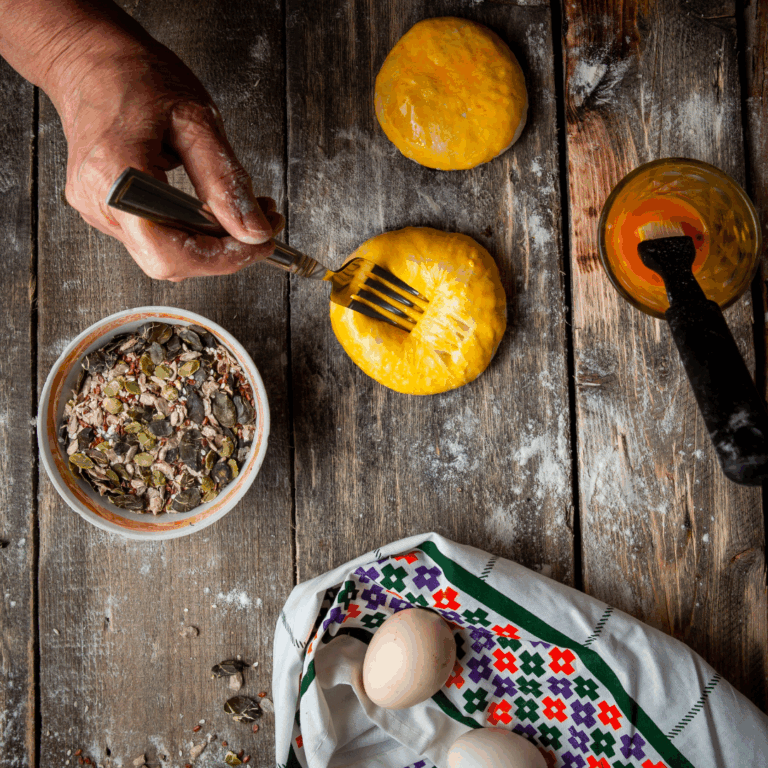
Sicilian cuisine is more than just a collection of recipes. It is a profound expression of history, culture, and an unbreakable connection to the land and sea. Each ingredient represents centuries of survival, creativity, and celebration, while every dish tells a story of resilience and resourcefulness. For Sicilians, food is far more than sustenance; it is life itself, deeply intertwined with their identity and community.
To truly appreciate Sicilian cuisine, one must view it through the lens of its people. Sicilians don’t just cook to eat; they cook to remember, to pass down traditions, and to honour their past. Anecdotes of elderly nonnas kneading dough as their grandchildren watch, tales of fishermen preparing freshly caught swordfish for sunset feasts, and the rituals of families gathering for long lunches with shared recipes highlight just how sacred the act of cooking is to them.
Chef Ciccio Sultano, one of Sicily’s most celebrated culinary maestros, once remarked, “Sicilian cuisine is the poetry of the land, shaped by the hands of generations.” This quote captures the essence of why Sicilian food stands apart. It isn’t just its bold flavours or quality ingredients but the love, tradition, and stories woven into every dish. From the striking streets of Palermo to the tranquil coastlines of Taormina, Sicilian cuisine represents the island’s heart, beating vibrantly for anyone who dares to taste it.
Let’s explore the island’s culinary roots, iconic ingredients, timeless traditions, and how Sicily’s gastronomic treasures continue to captivate food lovers worldwide.
The Foundations of Sicilian Cooking
Sicilian cuisine is deeply rooted in history, shaped by the innumerable civilisations that left their mark on this Mediterranean jewel. The dishes we savour today are tributes to these influences and reflect Sicilians’ ability to blend the old and the new, the rich and the humble, into something uniquely their own.
A Story Carved by History
Sicily’s position in the centre of the Mediterranean made it a magnet for traders, armies, and settlers for thousands of years. This convergence of cultures established Sicily as a culinary haven.
- Greek Influence (8th–3rd century BCE): The Greeks were Sicily’s first great culinary mentors, introducing olive oil, wine-making techniques, and honey. They also influenced the Sicilian diet with ingredients like cheese, figs, and wheat, which form the backbone of many modern recipes.
- Arab Rule (827–1091 CE): The Arabs revolutionised Sicilian cooking with the introduction of rice, sugar, and a host of spices like cinnamon, saffron, and cloves. Citrus cultivation, a hallmark of the island, began under their guidance. Dishes such as couscous alla Trapanese owe their existence to this influence.
- Norman Contributions (11th–12th centuries): The Normans brought hearty game and a proclivity for creamy sauces that enriched dishes. Their French-inspired approach harmonised with Sicily’s rustic simplicity, crafting the forerunners of today’s more indulgent feasts.
- Spanish Domination (16th–18th centuries): The arrival of tomatoes, chocolate, potatoes, and peppers from the New World under Spanish rule brought both vibrancy and innovation to Sicilian plates, further lengthening its recipe repertoire.
These historical periods, intertwined with Sicily’s modern agricultural practices, cultivated a diverse yet distinct culinary identity.
Trade Routes That Shaped Cuisine
Beyond its conquerors, trade routes played a vital role in the development of Sicilian cooking. The island became a hub for spices, salted fish, and exotic ingredients from North Africa and the Middle East. This introduced elements like currants, nutmeg, and dried fruit to Sicilian desserts and savoury sauces alike.
Through trade, Sicily not only gained new flavours but also transcended the limitations of its local resources. Even today, the influence of these connections persists in dishes like pasta alla Norma and involtini di pesce spada (stuffed swordfish rolls).
Staple Ingredients of Sicilian Cuisine
The land and sea of Sicily are its greatest gifts. Its fertile soil and crystal-clear waters yield ingredients that are as vibrant in flavour as they are in colour. These core ingredients are more than staples; they are the lifeblood of Sicilian cooking.
The Role of Olive Oil in Tradition
More than just a cooking medium, olive oil holds cultural and symbolic significance for Sicilians. Locals celebrate the olive harvest with festivals in towns such as Castelvetrano, where fresh extra virgin olive oil is drizzled over everything from warm bread to grilled vegetables. The act of pressing olives is passed down through families, making many bottles of olive oil a legacy in liquid form.
Citrus Fruits at the Heart of Sicily
Citrus fruits go beyond cuisine in Sicily; they appear in religious festivals, weddings, and even as offerings to saints. Oranges were long considered symbols of prosperity, while the zesty, uplifting aroma of lemons infuses everything from limoncello to sorbert-like granitas. Blood oranges, with their striking ruby hues, are a Sicilian specialty used in both sweet and savoury dishes.
The Cultural Importance of Nuts
The pistachios of Bronte, almonds from Avola, and hazelnuts of Nebrodi are key to many Sicilian traditions. Sicilian weddings often include torrone and almond nougat as symbolic desserts representing endurance and sweetness in marriage. These nuts feature prominently in dishes such as pasta al pesto di pistacchio or in cakes like torta di mandorle.
Seafood’s Role in Festivals and Feasts
Sicily’s maritime traditions come alive during regional celebrations. At the Festival of Saint Fortunato in Ustica, locals honour the sea’s bounty through communal seafood feasts. Red prawns, sea urchins, and anchovies retain a coveted status for being freshly caught and prepared in simple, unadulterated ways.
Iconic Techniques and Traditions
The techniques and traditions of Sicilian cooking are as timeless as the island itself, designed to preserve and elevate the bounty of nature.
Ancient Art of Preservation
Salting, smoking, and curing are deeply ingrained preservation methods that Sicilians perfected long ago. Salted sardines, sun-dried tomatoes, and smoked ricotta form the flavour backbone of many Sicilian dishes. These techniques not only protect ingredients but intensify their taste with a robust savouriness.
Clay Ovens and Eternal Flame Cooking
Traditional Sicilian clay ovens, called “forni in pietra,” are still used to bake sfincione (focaccia-like “pizza”) and cookies like biscotti di mandorla. These ancient ovens provide depth to dishes, infusing rustic smokiness that modern methods can rarely mimic.
Cucina Povera in Modern Times
While traditional cucina povera dishes remain staples in Sicilian households, they’ve also been embraced by modern chefs who give these humble dishes haute-cuisine makeovers. For instance, pasta con le sarde features in the menus of Michelin-starred Sicilian restaurants but with playful twists like gourmet bottarga toppings or modern plating. Chefs around the world explore these “poor kitchen” recipes as a source of inspiration to celebrate humble ingredients authentically.
Why Sicilian Cuisine Captivates the World
Sicilian cuisine’s global appeal lies in not just its flavours but also its philosophy. It emphasises a balance of simplicity and sophistication, respect for ingredients, and communal celebration. International chefs like Yotam Ottolenghi and Massimo Bottura have extolled the virtues of Sicilian cooking, showcasing its influence far beyond Mediterranean shores.
Begin your Sicilian culinary odyssey today by exploring vibrant food markets, taking vineyard tours, and indulging in cooking classes led by Sicilian chefs. Plan your experience now through Sicily Luxury Services, with highlights like olive oil tastings, seafood dinners by the coast, and festivals celebrating the art of Sicilian cuisine.
Uncover the magic of Sicily’s culinary heart with each unforgettable bite. Your adventure awaits!