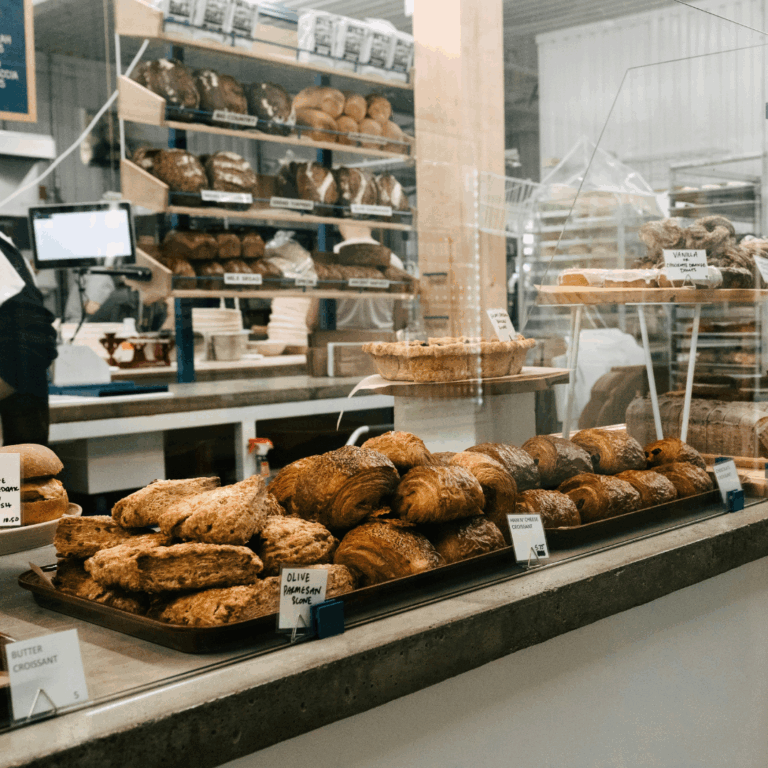
Step into any Sicilian bakery, and you’re stepping into a world where tradition, artistry, and history converge. The panificio (bakery) has long been a central pillar of Sicilian life, from ancient times to today. The scent of freshly baked bread and sweet pastries wafting from these cherished establishments is more than a sensory delight; it’s a cultural imprint of the island’s soul.
The legacy of Sicilian bakeries stretches back centuries, shaped by the influences of Greek, Arab, Norman, and Spanish settlers who brought their techniques, ingredients, and flavours to the island. During Arab rule, Sicily absorbed exotic spices, honey, and almonds, seen today in iconic pastries like buccellato and cassata. The Normans contributed rich dairy influences, shaping the ricotta-based fillings that make Sicilian sweets distinctive. Over time, Sicilian bakeries became revered as places where these influences merged into a uniquely Sicilian culinary identity.
Above all, bakeries have been a sanctuary for communities through difficult times. Even during war or economic hardship, bread was a vital necessity, while pastries marked moments of joy and resilience. Today, Sicilian bakeries stand as custodians of this heritage, each loaf and pastry continuing to honour the island’s diverse and storied past.
Join us on a deeper exploration of Sicily’s bakery culture, unearthing the artistry behind its breads, pastries, and the rituals that bring generations of Italians together.
The Breadbasket of Sicily
Bread in Sicilian Life
Bread holds a near-spiritual place in Sicilian households. Beyond being a daily staple, it is steeped in symbolism and ritual. Breaking bread together signifies unity and togetherness, a tradition that thrives during Sundays and festive family gatherings. Superstitions also surround the act of baking bread. For instance, dough that rises successfully is seen as a blessing, while improperly baked bread may invite misfortune.
Farmers once believed in blessing loaves before slicing them, asking for prosperity in crops. Many Sicilians still observe the custom of making a cross atop their loaves with a knife or their fingers before baking them, a gesture of gratitude to the divine. These customs elevate bread beyond sustenance into an emblem of Sicilian culture.
Cucciddato
One of Sicily’s oldest and most revered breads, cucciddato continues to symbolise abundance and renewal. Its preparation is often a family affair, with multiple generations coming together to knead the dough and fold the distinctive circular shapes. Modern versions occasionally incorporate dried fruits, making them a versatile option for both savoury and slightly sweet palates.
Pane Nero di Castelvetrano
This much-celebrated dark bread remains a staple in western Sicily. Many bakeries now offer their take on Pane Nero, some enriching the dough with walnuts or layering loaves with olives and herbs. Pairing a slice with creamy Sicilian goat’s cheese and honey creates a taste experience that epitomises the island’s farm-to-table ethos.
Mafalda
The S-shaped mafalda isn’t just a bread; it’s a tactile delight. Crisp on the outside and pillowy soft on the inside, this sesame-seed-covered loaf embodies Sicilians’ devotion to simple pleasures. Many bakers now experiment with mini-mafalde, designed for sandwiches filled with local salami or marinated eggplants, making them perfect for casual outdoor dining.
Pane di Casa and Pane con le Olive
Other stars in Sicily’s bread repertoire include pane di casa, or “house bread,” and pane con le olive, olive bread. Made using centuries-old recipes, pane di casa is ubiquitous in Sicilian homes and restaurants, serving as the ultimate partner for olive oil and Sicilian pasta dishes. Meanwhile, pane con le olive, featuring chunks of green and black Sicilian olives baked right into the dough, offers a tangy, earthy flavour that adds a special touch to any meal.
Pastries and Sweets Unique to Sicily
Artistry and Preparation
Sicilian pastries don’t come together by chance. They are born from the hands of bakers whose artisanal skills are honed through years of practice. Ricotta for cannoli is carefully whipped to achieve perfect smoothness, while the dough is fried to an exact golden crisp. For cassata, every layer of sponge cake is soaked in citrus-infused syrup with precision, ensuring each bite bursts with flavour. These techniques, combined with high-quality local ingredients like almonds, citrus, and pistachios, define the irresistible charm of Sicilian sweets.
Cannoli
A cannolo may look simple, but its execution is an art. The dough is rolled paper-thin to achieve the signature crunch and fried in perfectly balanced oil. Meanwhile, the filling requires freshly made sheep’s ricotta, carefully sifted to a velvety texture, and balanced with just the right amount of sugar. Candied orange peels or finely chopped pistachios are not mere garnishes but thoughtful accompaniments to enrich the experience.
Cassata
The preparation of cassata reflects Sicily’s historical connections with the Arab world. The use of sugar syrup, almonds, and candied peels harks back to these influences, while baroque pastry decorations in vibrant colours underscore the dessert’s artistic resonance. Regional mini variations, called cassatinni, offer a bite-sized option, perfect for sampling alongside Sicilian espresso.
Biscotti di Mandorla
The almond biscuit, or biscotto di mandorla, is a delicate yet deeply satisfying treat often enjoyed at tea time. Made from a blend of Sicilian almonds, egg whites, and sugar, their chewy texture sets them apart. Many bakeries enhance flavour with essences like lemon or orange blossom water, creating an aromatic delight. Traditionally served during weddings or religious celebrations, these biscuits also make for the perfect edible souvenir.
Torrone Siciliano
Few sweets are as festive as torrone, Sicilian nougat made with honey, nuts, and sometimes dried fruits. Every Christmas, bakeries bring out batches wrapped in colourful paper, signifying joy and prosperity. The crunch of the nuts paired with the chewy nougat speaks to Sicilian bakers’ skill in mastering textures.
New Additions
Additional regional wonders include sfince di San Giuseppe, which rival doughnuts for their fluffy, fried goodness, and frutta Martorana, a marzipan delicacy still handcrafted in small-scale bakeries and monasteries.
Insider Tips for Visiting Sicilian Bakeries
Adding to suggestions for visiting bakeries, one invaluable tip is learning the art of sampling. Many Sicilian pasticcerie encourage visitors to taste small portions, particularly of pastries or biscuits, to guide their selections. Simply ask, “Posso assaggiare?” (May I taste?), and bakers will usually oblige warmly.
Marks of authenticity include golden crusts on loaves, rich yet fresh cream in cannoli, and a bakery’s bustling, friendly atmosphere. Some rarely advertised treasures might only appear early in the morning, so timing your visit is crucial.
Must-Visit Bakeries
- Bar Sicilia, Favignana
A tiny gem tucked away on the island of Favignana, Bar Sicilia is famed for its almond-based cookies and pistachio-filled croissants. - Forno Scarlata, Sciacca
This coastal town bakery is renowned for its crispy pane cunzato and traditional festival breads.
Why Sicilian Bakeries Are World-Renowned
The prestige of Sicilian bakeries has not gone unnoticed. Chefs worldwide, including Michelin-starred icons, have paid tribute to the island’s baked goods. Anthony Bourdain once remarked that Palermo’s bakeries offer stories “encased in flour and history.” Featured frequently in culinary festivals like the Slow Food Fair in Turin, Sicilian bakeries have earned accolades for preserving centuries-old traditions while inspiring contemporary palates.
Unleash your inner gourmand by exploring Sicily’s bakeries firsthand. Whether joining a unique baking masterclass in a historic town, attending a bread festival, or curating a walking tour featuring the island’s capital and hidden village bakeries, Sicily promises an unforgettable voyage for your senses.
Start planning your Italian dream escape through flavour and tradition. Buon appetito!