Nestled in the heart of Sicily, the Valley of the Temples (Valle dei Templi) stands as one of the most remarkable archaeological sites in the Mediterranean, a living testament to the brilliance of ancient Greek civilization. This UNESCO World Heritage site is famed for its magnificent Doric temples, dramatic landscapes, and the palpable sense of history that envelops its sacred ground. Walking through the Valley is like stepping back in time, to an era when gods were worshipped in grandiose sanctuaries and Greek culture flourished on the island of Sicily.
This guide takes you on a deep exploration of the Valley of the Temples, its architectural wonders, and practical information for planning your visit. From the majesty of the Temple of Concordia to the lesser-known gems scattered across the archaeological park, there’s no shortage of richness to uncover here.
A Brief History of the Valley of the Temples
The Valley of the Temples isn’t a valley in the traditional sense; it’s actually a ridge overlooking the town of Agrigento, known in antiquity as Akragas, one of the most prosperous Greek cities in the ancient world. Founded in 582 BCE by Greek settlers from Rhodes and Crete, Akragas grew rapidly into a thriving cultural and political hub, earning the admiration of ancient historians like Pindar, who famously called it “the most beautiful city of mortals.”
During its golden age in the 5th century BCE, Akragas boasted a population of nearly 200,000 people. It was during this period that the temples were constructed to honor the gods and demonstrate the city’s wealth and piety. These grand structures were not merely places of worship; they were symbols of civic pride, meticulously designed to reflect the ideals of harmony and balance central to Greek philosophy.
Following its peak, Akragas faced invasions from Carthaginians, Romans, and later civilizations, leading to periods of decline, destruction, and repurposing of the temples. Despite this turbulent history, many of these structures remain remarkably intact, offering a glimpse into the architectural brilliance of a bygone era.
Key Temples of the Valley
1. The Temple of Concordia
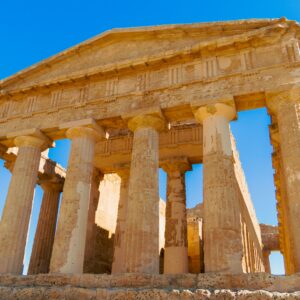
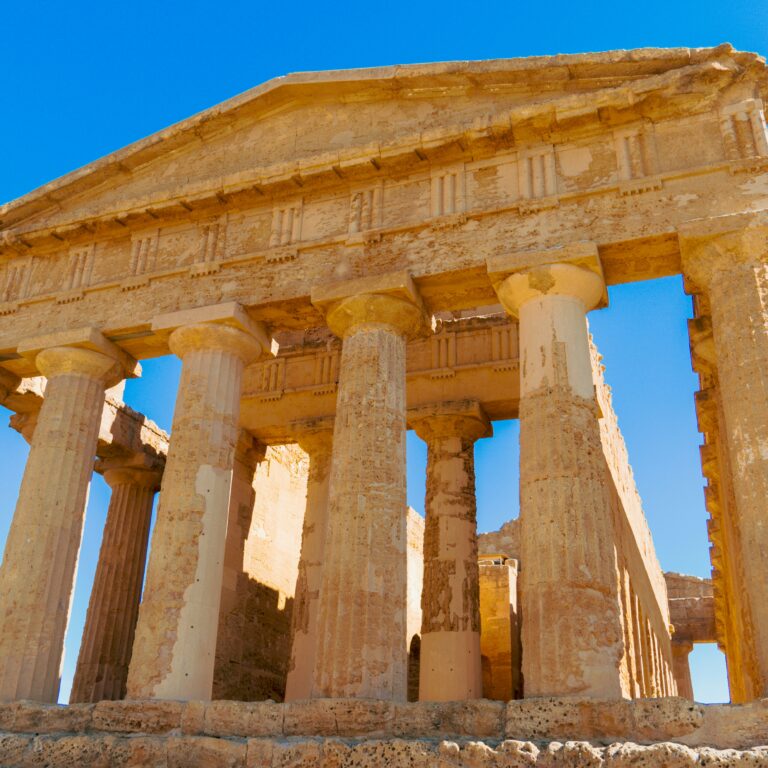
The Temple of Concordia is the jewel of the Valley, and one of the best-preserved Doric temples in the world. Built around 440 BCE, it owes its excellent state of preservation to its conversion into a Christian basilica in the 6th century CE, which saved it from the ravages of time and weather.
With its symmetrical design, fluted columns, and harmonious proportions, the Temple of Concordia embodies everything classical Greek architecture sought to achieve. Its enduring beauty lies in its simplicity and geometric perfection; 13 columns flank each side, supporting a pediment that once held sculptural decorations.
Visitors standing in front of this temple often feel a sense of awe, as its towering form emerges against the backdrop of the rolling Sicilian hills. Photographers will find it especially captivating at sunrise and sunset, when the golden light accentuates the warm tones of its honey-colored limestone.
When visiting, take a moment to stroll around the temple. The walking path allows you to admire the structure from all angles while soaking in the panoramic views of the surrounding valley and distant coastline.
2. The Temple of Juno (Hera Lacinia)
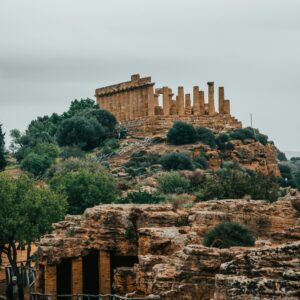
Perched on the eastern edge of the Valley, the Temple of Juno served as a place of worship for Hera, the goddess of marriage and childbirth. Built in the same era as the Temple of Concordia, its ruins retain much of their original grandeur.
Unlike the Concordia Temple, the Temple of Juno shows signs of significant damage, partly caused by the Carthaginian siege of Akragas in 406 BCE. Even so, a substantial portion of its colonnade and cella walls remain intact, offering insight into its original form.
The temple’s elevated position provides sweeping views of the valley below, making it an ideal spot to pause for a moment of reflection or enjoy a quick snack. At night, when illuminated, the ruins take on an almost ethereal quality, transporting visitors deeper into the ancient world.
3. The Temple of Hercules
The Temple of Hercules, the oldest in the Valley, honors the heroic demigod celebrated in Greek mythology. Constructed in the late 6th century BCE, it now stands in partial ruin, with eight columns re-erected in the 1920s to provide a sense of its original scale.
Despite its dilapidated condition, walking among its massive fallen blocks and weathered stones creates an almost visceral connection to antiquity. Look closely, and you might notice grooves in some stones, indicating how they were once fitted into place by ancient engineers.
Exploring the Archaeological Park
The Valley of the Temples spans over 1,300 hectares, making it one of the largest archaeological sites in the Mediterranean. Alongside the temples, visitors can enjoy ancient city walls, necropolises, and the remains of homes and public spaces that paint a fuller picture of life in Akragas.
Don’t Miss:
- The Temple of Olympian Zeus: Built to commemorate a victory over Carthage, this colossal temple was among the largest in the Greek world. Though largely destroyed, its remains reveal the sheer ambition of its creators. Look out for the giant Telamon sculptures, once used as supporting columns.
- The Archaeological Museum: Located nearby, this museum houses artifacts unearthed at the site, from pottery to coins and statues. It’s an essential stop for those looking to contextualize their visit.
Walking paths throughout the park are clearly marked and often shaded by olive and almond trees, which bloom spectacularly in spring.
Practical Tips for Visiting
When to Visit
The Valley of the Temples is open year-round, but the best times to visit are spring (March to May) and autumn (September to November), when the weather is mild and the almond trees are in bloom. Summer visitors should plan for early morning or late afternoon trips to avoid the heat.
Tickets and Guided Tours
Tickets can be purchased online or at the entrance. Opt for a guided tour or audio guide to gain deeper insights into the site’s history and significance.
What to Bring
- Comfortable walking shoes: The site involves plenty of walking on uneven terrain.
- Water and snacks: Especially in summer, hydration is key.
- Sun protection: A hat and sunscreen are essential during warmer months.
The Legacy of the Valley of the Temples
The Valley of the Temples isn’t just an archaeological site; it’s a symbol of Sicily’s enduring connection to its ancient past and its role as a cultural melting pot. For centuries, these temples have weathered the passage of time, invasions, and natural disasters, yet they continue to inspire and awe millions of visitors each year.
Walking through the Valley offers more than just a history lesson. It’s an opportunity to reflect on the ingenuity and artistry of the ancient world, to marvel at the enduring beauty of human achievement, and to imagine what life might have been like in Akragas during its golden age.