Sicily, the grand Mediterranean isle, has long captured the imagination of travellers for its intricate tapestry of history, cuisine, and culture. Among its most compelling attractions are its festivals, an extraordinary display of tradition, passion, and artistry. These celebrations are living testaments to Sicily’s complex cultural evolution, blending ancient customs with modern exuberance. Rooted in Greek, Roman, and early Christian traditions, many of these festivals have unfolded across centuries, adapting and thriving amidst Sicily’s changing social and political landscape.
For discerning travellers seeking cultural immersion wrapped in luxury, these festivals are more than just lively occasions. They are multi-sensory journeys into the soul of Sicily, a chance to engage with the island’s rich heritage through the prism of pageantry and ritual, all while enjoying exclusive tours and bespoke experiences. This exploration of the ancient roots of Sicilian festivals provides both a historical narrative and an invitation to experience them with unparalleled depth and luxury.
From Greek Rites to Sicilian Identity
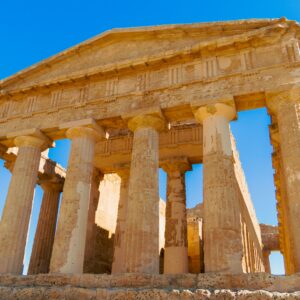
The origins of many Sicilian festivals lie in the island’s era of Greek colonisation during the 8th century BCE. The Greek settlers brought with them an array of rituals that celebrated gods and the natural world. Among these was the Thesmophoria, a festival devoted to Demeter, goddess of the harvest and fertility. Women played a central role in this event, gathering to perform rites for the fertility of their lands and families. The ceremonies were accompanied by feasts, music, and offerings, firmly linking human life to the rhythms of nature.
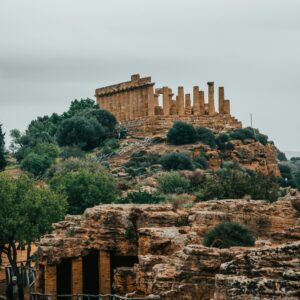
Today’s Sicilian food festivals echo these ancient celebrations. The Sagra della Mandorla (Almond Blossom Festival) in Agrigento showcases the arrival of spring, a motif deeply admired by the Greeks. Visitors can wander through almond groves bursting with bloom, participate in traditional Sicilian dances, and enjoy private tastings of local almond-based treats, such as pasticcini and marzipan, crafted by artisan bakers. These contemporary festivals may seem worlds away from the Thesmophoria, yet the focus on seasonal abundance remains at their core. Luxury travellers can fully appreciate this connection by embarking on curated tours that highlight the historic venues and cultural narratives tied to these events.
Dionysian Revelry and Modern-Day Wine Celebrations
The Greek god Dionysus, associated with wine, theatre, and ecstasy, is another key figure in the cultural history of Sicilian festivals. Ancient rites dedicated to Dionysus celebrated the intoxicating joys of wine and its role in community bonding. Dramatic performances, storytelling, and ceremonial wine drinking were integral to these elaborate affairs.
These Dionysian influences remain alive in Sicily’s modern wine festivals. Events such as those held in the wine-producing region of Etna or the Vineyards of Marsala transport guests into the heart of Sicilian viticulture. Private wine-tasting experiences, often conducted in historic cellars, allow visitors to savour rare vintages while learning about the region’s ancient winemaking practices. For luxury seekers, pairing these tours with hands-on vineyard activities, like grape-stomping or exclusive dinners featuring regional wine pairings, creates an experience that bridges the ancient and contemporary worlds.
Roman Spectacles and Public Celebrations
Under Roman rule, Sicilian festivals evolved from intimate religious gatherings into grand public spectacles. The Romans believed deeply in the power of festivals to unify the population and showcase imperial magnificence. Roman celebrations such as the Saturnalia became deeply ingrained in Sicilian culture. Saturnalia, originally a pagan ritual marking the winter solstice, blended gift-giving, convivial feasts, and the symbolic overthrow of social norms. Slaves and masters dined together, and the usual order of society was temporarily suspended to honour Saturn, the god of time and agriculture.
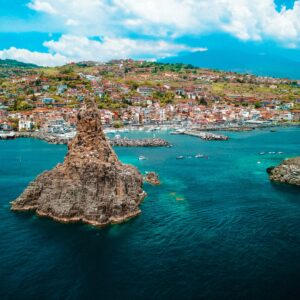
Elements of Saturnalia, particularly its communal spirit and emphasis on celebration, can be observed in modern Sicilian festivals like the Carnevale di Acireale. Known for its elaborate parades, intricate costumes, and joyous atmosphere, Carnevale embodies the Roman ideal of community cohesion and jubilation. Private tours during the carnival season often grant exclusive access to float-building workshops and invitations to masquerade balls, offering a richly immersive way to experience this Roman legacy.
Syracuse’s Roman Theatre and Festival Heritage
One particularly striking example of Roman influence is the city of Syracuse. Its Roman amphitheatre hosted gladiatorial games, theatrical performances, and ceremonies tied to ancient festivals. Today, these historic sites are used for modern cultural events, such as the Festival of Greek Theatre, showcasing how ancient traditions continue to shape Sicilian cultural offerings.
Travellers can enjoy luxurious evenings where art and archaeology combine, with exclusive VIP seating and wine receptions held under the stars in these timeless venues.
Christian Adaptation of Pagan Rituals
When Christianity became the dominant religion in Sicily, many of the island’s deeply rooted pagan rituals were adapted into Christian traditions. The early church understood that the acceptance of Christian doctrine would require flexibility. Instead of eliminating familiar pagan practices, elements were absorbed and reimagined through a Christian lens.
The conversion of harvest festivals into celebrations of saints is a prime example of this adaptation. Celebrations of Ceres, the Roman goddess of agriculture, transitioned into festivals venerating saints like Saint Joseph, venerated as a patron of farmers and protector of the harvest. The Feast of Saint Joseph, celebrated each March, showcases this blend beautifully. Traditional altars, laden with bread and other harvest items, serve as both religious offerings and community feasts.
Exclusive tours during this festival allow guests to witness the ornate altars being erected and to partake in special tastings of Sicilian baked goods, such as the deliciously sweet zeppole.
The Festa di Sant’Agata
The influence of early Christianity on Sicilian festivals is perhaps most vividly displayed during the Festa di Sant’Agata. This storied event draws thousands to Catania each February to honour the city’s patron saint. While the festival is rooted in Christian ritual, its theatrical processions, symbolic offerings, and shared communal meals echo the ancient pilgrimages and fertility rites of Sicily’s pre-Christian past.
Exclusive Encounters with Faith
For the luxury traveller, experiencing Sant’Agata’s grandeur from prime vantage points or with private guides providing in-depth historical context ensures an unmatched cultural encounter. The blending of solemn religious devotion with the festive energy of the accompanying street markets opens a portal to both the spiritual and communal fabrics of Sicilian life.
Medieval Sicily and the Norman-Arab Legacy
The Middle Ages ushered in yet another influential wave of cultural narratives that shaped Sicilian festivals. The Norman conquest and the preceding Arab rule left a profound mark on Sicily’s festivities. From the Normans, Sicily inherited its grand, chivalric traditions, while the Arab-Muslim influence is evident in festivals celebrating artistic expression and culinary artistry.
The Palio dei Normanni, held annually in Enna, recreates a medieval pageant that recalls Sicily’s Norman legacy. Participants clad in traditional Norman armour compete in horseback games and parades that evoke the grandeur of medieval Sicily. Those seeking luxury can enjoy private guided tours of the historical setting, exclusive seating for the event, and a gourmet medieval-style feast inspired by Norman-Sicilian cuisine.
Similarly, the Arab influence surfaces through visual spectacles like the Infiorata di Noto, where floral carpets crafted into Arabesque motifs adorn the streets. This event demonstrates how historical cross-cultural exchanges continue to thrive within Sicilian traditions.
The Modern-Day Relevance of Ancient Festivals
While rooted in history, Sicily’s festivals remain vibrant contributors to the island’s modern identity. Beyond their cultural significance, they serve as key drivers of tourism and local economies. Events like the Carnevale di Acireale and the Infiorata di Noto attract thousands of visitors, creating opportunities for small businesses, artisans, and performers to showcase their crafts.
For travellers yearning for authentic, luxurious experiences, these festivals are best explored through curated offerings that combine exclusivity and immersion. A guided walk through a festival’s historic district, followed by a Michelin-starred meal inspired by ancient traditions, exemplifies how the past and present harmonise in Sicily.
Exploring Festivals with Sicily Luxury Services
Sicily’s festivals transcend time, connecting guests to a multifaceted cultural history that remains alive in the island’s modern rhythms. Whether you’re captivated by the ancient Greek devotion to Demeter, the Roman splendour of Saturnalia, or the reverence of early Christian offerings, these festivals provide a lens through which Sicily’s soul can truly be understood.
At Sicily Luxury Services, we transform these cultural treasures into bespoke experiences. Explore these centuries-old traditions through private guided tours, savour wine-paired dinners inspired by Dionysian rites, or attend exclusive festival events with an expert cultural historian by your side. Visit our Luxury Festival Tour Section to craft your ultimate Sicilian encounter and immerse yourself in a world where history, artistry, and luxury collide.