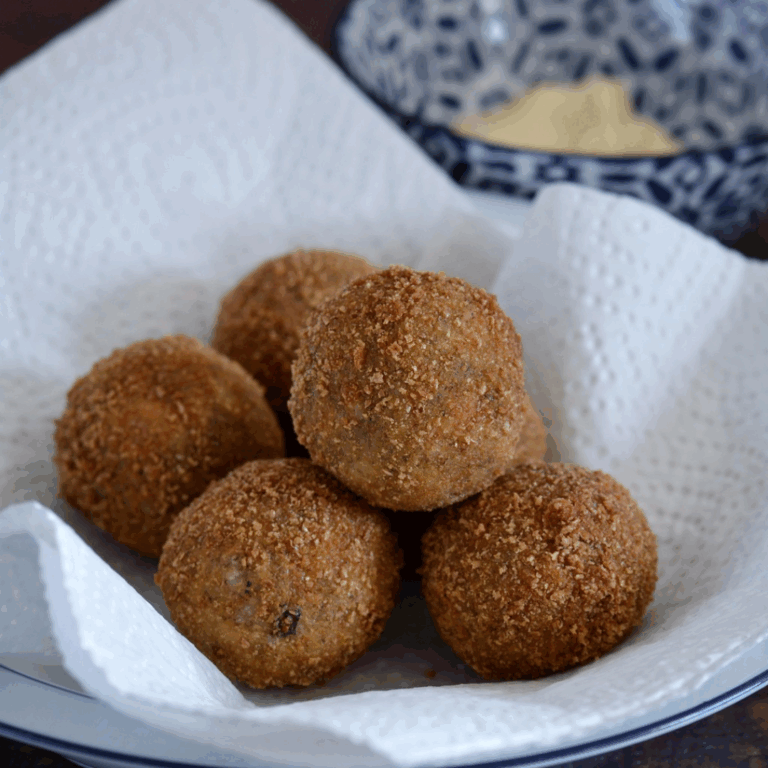
Few foods hold a place as deep in Sicily’s heart as the humble arancino. This golden-fried ball of rice, crisp on the outside and filled with flavours that tell a story, reigns supreme as the island’s most beloved snack. Whether enjoyed as a quick street food bite in bustling markets or presented on a plate in a high-end trattoria, the arancino is a culinary icon that embodies the richness of Sicilian culture and tradition.
An arancino represents more than just comfort food; it’s a symbol of Sicily’s past, present, and future. Each bite reveals a connection to the island’s multicultural history, its fertile lands, and the care Sicilians pour into every morsel they prepare. There’s no wrong occasion for indulging in this delight. Whether it’s an everyday snack or part of a festive feast, the arancino fits seamlessly into Sicilian life and beyond.
But what makes the perfect arancino? Is it the crispy coating that gives way to tender, saffron-scented rice? Or the fillings that range from hearty ragù to creamy pistachio and béchamel? Perhaps it’s the connection to centuries-old tradition upheld in every bite. Join us as we explore the history, technique, and varieties of Sicily’s treasured arancino, and discover why it has captured hearts around the world.
The History of the Arancino
The story of the arancino begins more than a thousand years ago, during the Arab rule of Sicily from the 9th to the 11th centuries. The Arabs brought with them their love of rice and saffron, introducing what would become staples in Sicilian cuisine. Early versions of the arancino were inspired by Arab rice dishes such as timman, where fragrant rice was flavoured with saffron, spices, and sometimes enriched with dried fruits or meat. These dishes were packed tightly for easy transportation, making them a practical choice for workers and travellers.
Over the centuries, the arancino evolved, adopting its modern characteristics under Norman and Spanish influences. The breading and frying techniques likely came from the Norman reign, while the addition of ragù and cheese can be traced to the Spanish culinary tradition. By the 19th century, the arancino had become firmly entrenched in Sicilian culture, cherished as both a hearty meal and a symbol of the island’s history.
The name “arancino” itself is derived from the Italian word for orange (arancia), owing to the snack’s round shape and golden hue post-frying. Yet, like many things in Sicilian culture, even the name and shape of this dish spark passionate debate. Eastern Sicily typically favours a conical arancino, said to recall the shape of Mount Etna, while western Sicily opts for a rounder form. Both versions, however, carry the same legacy of cultural convergence and culinary ingenuity.
Techniques for Making Authentic Arancini
Creating the perfect arancino at home requires careful attention to technique, high-quality ingredients, and, most importantly, patience. While each family and chef may have their own secret twist, the essential steps remain the same. Here’s a guide to making authentic Sicilian arancini.
Step 1: Prepare the Rice
The foundation of any great arancino is the rice. Choose a starchy variety like Arborio, which holds its shape and provides the perfect creamy texture. Begin by cooking the rice in a mixture of water, chicken or vegetable stock, and a generous pinch of saffron for an authentic golden colour and subtle earthy flavour. Once cooked, spread the rice on a tray and allow it to cool completely. Mixing in grated Parmesan while the rice is still warm enhances its richness and ensures the grains bind together when shaped.
Step 2: Choose Your Filling
The filling is where creativity and tradition come alive. The classic ragù filling consists of slow-cooked meat sauce with peas and mozzarella. For a vegetarian twist, you might try spinach and ricotta, or mushrooms sautéed with garlic and parsley. Sweet options, like chocolate or pistachio cream, make for decadent dessert-style variations.
Step 3: Assemble with Care
To shape arancini, take a handful of rice and flatten it slightly in your palm. Add a spoonful of filling in the centre, then enclose it by folding the rice around the filling like a protective layer. Shape it into a ball or cone, pressing gently to ensure it holds together.
Step 4: Bread with Precision
The secret to a perfect golden crust lies in the breading process. Roll each arancino in flour, then dip it into beaten egg, and finally coat it with fine breadcrumbs. For an extra-crispy result, some chefs even double-dip the arancini in egg and breadcrumbs.
Step 5: Fry to Perfection
The final step is frying. Use plenty of neutral oil with a high smoke point, such as sunflower or peanut oil. Heat the oil to 180°C and fry the arancini in batches, ensuring they’re submerged for even cooking. Each arancino should emerge golden and crisp, with a filling that oozes when you take your first bite.
Regional Variations of Arancini
While the traditional meat-filled arancino holds pride of place across Sicily, countless regional variations showcase the island’s culinary diversity.
Ragù Arancini
The iconic ragù arancino is considered the gold standard, featuring a rich meat sauce often enhanced with peas and chunks of cheese. Symbols of tradition, these arancini are found at almost every Sicilian eatery, from street vendors to fine-dining establishments.
Pistachio Arancini
Hailing from Bronte, a town famous for its pistachios, these arancini are filled with a velvety pistachio cream or pistachio-based béchamel sauce. Their elegant flavour and vivid green interior make them a favourite among food enthusiasts who crave something different from the norm.
Arancini al Burro
The “butter” arancino is less well-known outside of eastern Sicily but much loved for its creamy centre. Filled with béchamel, prosciutto, and mozzarella, this variation offers a luxurious bite that melts in the mouth.
Seafood Arancini
Coastal regions, like Catania and Trapani, have given rise to seafood-inspired arancini. Fillings such as prawn and lemon zest or squid ink risotto create exquisite variations that reflect Sicily’s maritime heritage.
Sweet Arancini
Moving beyond savoury, there are sweet variations typically associated with festivals or special occasions. These might feature fillings of chocolate, candied orange peel, or even ricotta with sugar and cinnamon, enveloped in lightly sweetened rice before being fried to perfection.
Why Arancini Captivate the World
Arancini have transcended their origins as Sicilian street food to become a global culinary phenomenon. Why? The answer lies in their versatility and universal appeal. They’re endlessly adaptable, easily shifting between savoury and sweet, traditional and modern, simple snack and gourmet dish. Their comforting texture and rich flavours make them just as suited to cold winter evenings as to sunny Mediterranean afternoons.
Arancini also tell a story, encapsulating Sicily’s history, its flair for blending diverse influences, and the pride its people have in their traditions. Food travellers seeking authentic experiences often find themselves in search of the perfect bite of arancino, marvelling at how a simple rice ball can conjure images of Sicily’s fields, markets, and sea.
Around the world, from New York’s Michelin-starred Italian restaurants to London’s street food stalls, arancini represent a slice of Sicily’s cultural and culinary magic.
Are you ready to bring Sicily’s most treasured snack into your own kitchen? Try your hand at making arancini at home, or better yet, plan your visit to Sicily and taste these culinary masterpieces at the source. Take a guided food tour through Palermo’s vibrant streets, learn the art of making arancini in a hands-on cooking class with a local chef, or simply savour one freshly fried from a seaside café.