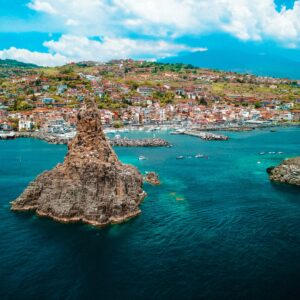
Nestled along the pristine northwestern coastline of Sicily lies an unspoiled natural paradise waiting to be discovered. The Zingaro Nature Reserve, or Riserva Naturale dello Zingaro, spans over 1,600 hectares (nearly 4,000 acres) of land, boasting a captivating blend of rugged coastal trails, secluded turquoise bays, and an array of diverse wildlife. Declared Sicily’s first nature reserve in 1981, Zingaro is a testament to the importance of preserving natural beauty in its purest form.
For those seeking an escape into nature, this reserve offers hiking, swimming, and tranquil experiences far away from the hustle and bustle of city life. With its dramatic cliffs plunging into the crystal-clear waters of the Tyrrhenian Sea, Zingaro captivates visitors with every twist of its scenic trails. Whether you’re a seasoned trekker or someone looking to unwind on pristine beaches, Zingaro provides a perfect retreat surrounded by rich biodiversity and cultural charm.
This guide will explore the highlights of the Zingaro Nature Reserve, covering top hiking routes, the best swimming spots, and the reserve’s unique flora and fauna. We’ll also share practical tips to help you plan your trip and make the most of your time in this coastal sanctuary.
A Natural Gem of Sicily
A Brief History
Zingaro became Sicily’s first designated nature reserve after a grassroots movement in the 1970s pushed back against plans to build a coastal highway through the area. Thanks to the determination of local environmentalists, Zingaro protected its untouched beauty and now stands as a symbol of sustainable preservation.
The reserve stretches over seven kilometers along the coastline, making it a haven for those seeking to revel in its natural beauty. From towering limestone cliffs to rolling hills covered in Mediterranean scrub, Zingaro’s landscapes are as diverse as its wildlife.
Ecological Importance
Zingaro is home to an astonishing variety of plant life, including more than 650 species. Its landscapes range from rocky cliffs to groves of olive and carob trees, with bursts of colorful wildflowers in spring. Fauna here is equally impressive, and birdwatchers are especially drawn to the reserve as it serves as an important nesting area for species such as peregrine falcons, kestrels, and Bonelli’s eagles. You’ll also spot goats, lizards, and, if you’re lucky, the elusive Sicilian shrew.
The marine life along the Zingaro coast is equally noteworthy. Snorkelers and divers can expect to see healthy coral reefs, dazzling schools of fish, and other underwater treasures in the reserve’s crystal-clear waters.
Highlights of the Zingaro Nature Reserve
1. Rugged Coastal Trails for Every Hiker
Zingaro is a hiker’s dream, with winding trails that hug the coastline and offer stunning sea views. There are three main trails traversing the reserve, each catering to different skill levels and preferences:
The Coastal Path (Sentiero Costiero)
- Distance: 7 kilometers (one way)
- Duration: 2.5 to 3 hours one way
The Coastal Path is by far the most popular hiking route, offering incredible views of the Tyrrhenian Sea along with access to some of Zingaro’s most iconic beaches. Starting in the town of Scopello or the northern entrance near San Vito Lo Capo, this trail showcases the reserve’s dramatic landscapes, with towering cliffs on one side and sparkling waters on the other. You’ll find shaded rest points and signs detailing the area’s flora and fauna along the way.
The Middle Path (Sentiero di Mezza Costa)
- Distance: ~8 kilometers (round trip)
- Duration: 4 to 5 hours round trip
For those eager to venture deeper into the reserve’s rugged terrain, the Middle Path offers a slightly more challenging experience, taking hikers up through rolling hills and offering panoramic views of the coastline and surrounding countryside.
The High Path (Sentiero Alto)
- Distance: ~16 kilometers (round trip)
- Duration: 6 to 7 hours round trip
The High Path is the most demanding trail but rewards adventurers with breathtaking vistas from elevations of up to 600 meters. This path is best suited for experienced hikers who want to immerse themselves in the wild beauty of the reserve.
2. Secluded Swimming Spots and Beaches
Zingaro’s beaches are nothing short of spectacular, blending powdery sand, pebbly coves, and translucent waters that invite you to take a refreshing dip. Here are some of the must-visit beaches within the reserve:
Cala Tonnarella dell’Uzzo
Often regarded as Zingaro’s most beautiful beach, Cala Tonnarella is the first cove you’ll encounter when entering from the Scopello side. This white pebble beach is surrounded by towering cliffs and boasts water so clear and calm that it feels like a natural swimming pool.
Cala dell’Uzzo
Located near the northern entrance, this beach offers easy access and excellent snorkeling opportunities. Rich marine life can be spotted beneath the surface, making it a favorite for nature enthusiasts.
Cala Marinella
For a more secluded experience, Cala Marinella is a small rocky cove perfect for romantics and solitary swimmers seeking peace.
Other coves like Cala Berretta, Cala dell’Arena, and Cala Capreria each have their own allure, whether you’re looking for soft sand, dramatic rocky settings, or quiet charm.
3. Fauna and Birdwatching
One of Zingaro’s most enchanting traits is its active ecosystem. Early risers can spot wild goats deftly scaling the craggy cliffs, while bird lovers may catch a glimpse of a Bonelli’s eagle soaring high above. The reserve serves as a sanctuary for over 40 species of birds, making it one of the top birdwatching locations in Sicily.
Natural and Cultural Insights
Beyond its ecological draw, Zingaro has deep cultural roots. Shelters carved into the cliffs and ancient agricultural terraces tell the stories of the people who once lived off the land long before it became a protected area. You can visit the Museo della Civiltà Contadina (Museum of Rural Life), located within the reserve, to see artifacts and learn about traditional lifestyles in the region.
Zingaro also captures the profound connection between Sicily’s people and its landscapes. Legend has it that the reserve’s turquoise bays were once playgrounds for ancient mariners seeking refuge from the forceful Mediterranean winds.
Practical Tips for Visitors
When to Visit
The best time to visit Zingaro is during spring (April to May) or autumn (September to October). These months offer mild weather, blooming wildflowers, and fewer tourists. Summer is also an incredible time to visit, but the midday heat can be intense, so start your hikes early in the morning.
What to Bring
- Comfortable hiking shoes
- Lightweight, breathable clothing
- Plenty of water (there are no drinking fountains inside the reserve)
- Swimsuit and towel for beach stops
- Hat, sunscreen, and sunglasses to protect against the sun
- Snacks or a picnic lunch (no food vendors are available on-site)
How to Get There
The reserve has two entrances:
- South Entrance (Scopello): Easily accessible from Palermo or Trapani, this entrance is closest to the stunning Cala Tonnarella dell’Uzzo.
- North Entrance (San Vito Lo Capo): Convenient for those coming from eastern Sicily, this entrance leads to Cala dell’Uzzo.
Parking is available near both entrances, but spots fill up quickly in peak season, so plan to arrive early.
Rules and Regulations
Zingaro is a protected reserve, so visitors are expected to respect its environment:
- Do not leave trash; carry out anything you bring in.
- Fires and smoking are strictly prohibited.
- Stay on marked trails to avoid disturbing the habitat.
Final Thoughts
The Zingaro Nature Reserve is an exceptional escape into nature’s untouched splendor. Its combination of rugged coastal trails, idyllic beaches, and remarkable biodiversity has made it a gem not only for Sicily but for all of Italy. Whether you’re hiking along cliffside paths, swimming in turquoise seas, or simply basking in the serenity of the great outdoors, Zingaro offers a unique experience that reconnects you with the natural world.